The short answer
The switch is the part of a sump pump most likely to fail. A tethered float swings on its cord and needs a wide pit; a vertical float rides a rod and fits narrow pits; a diaphragm switch senses water pressure with no moving float; and electronic switches use sensors. Choose by pit size first, then by how much you want to adjust the on and off levels.
How each type works
| Type | How it works | Pit needs |
|---|---|---|
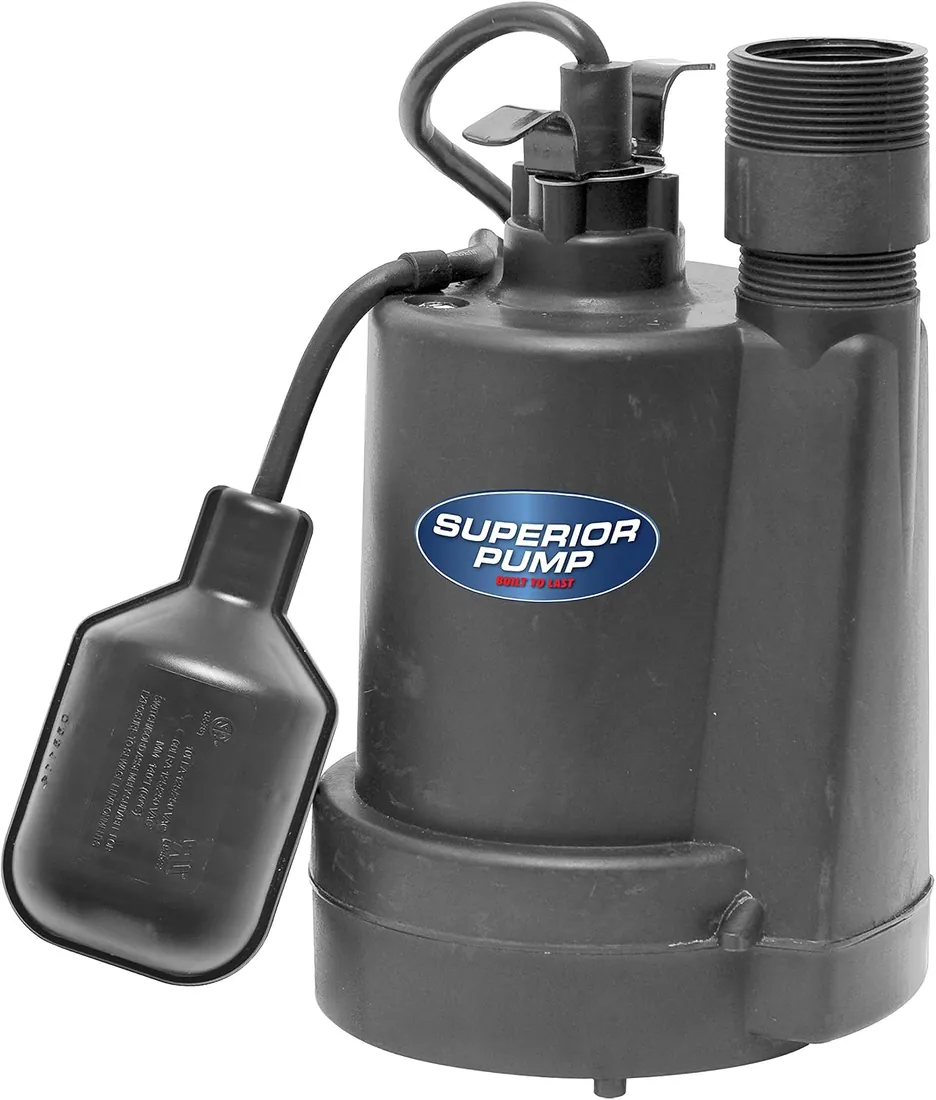
| Tethered float | A float on a cord tips to switch the pump | Wide pit, usually 14 in or more |
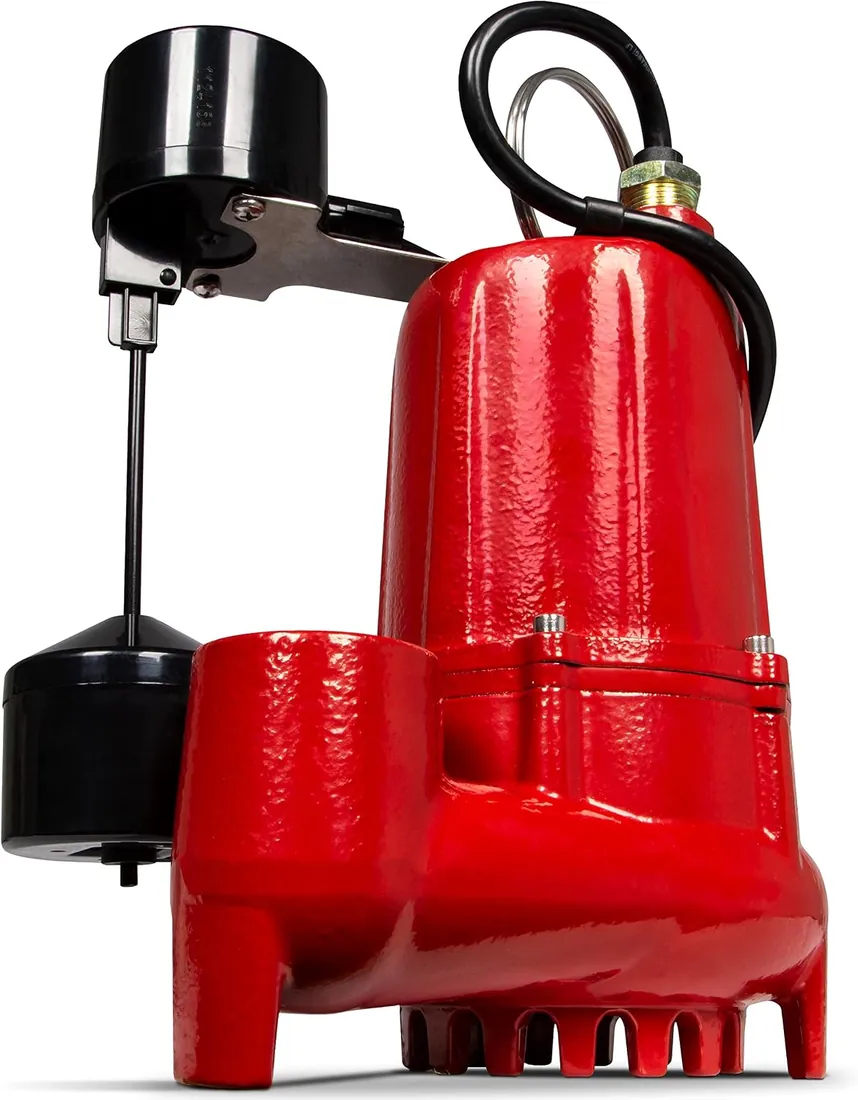
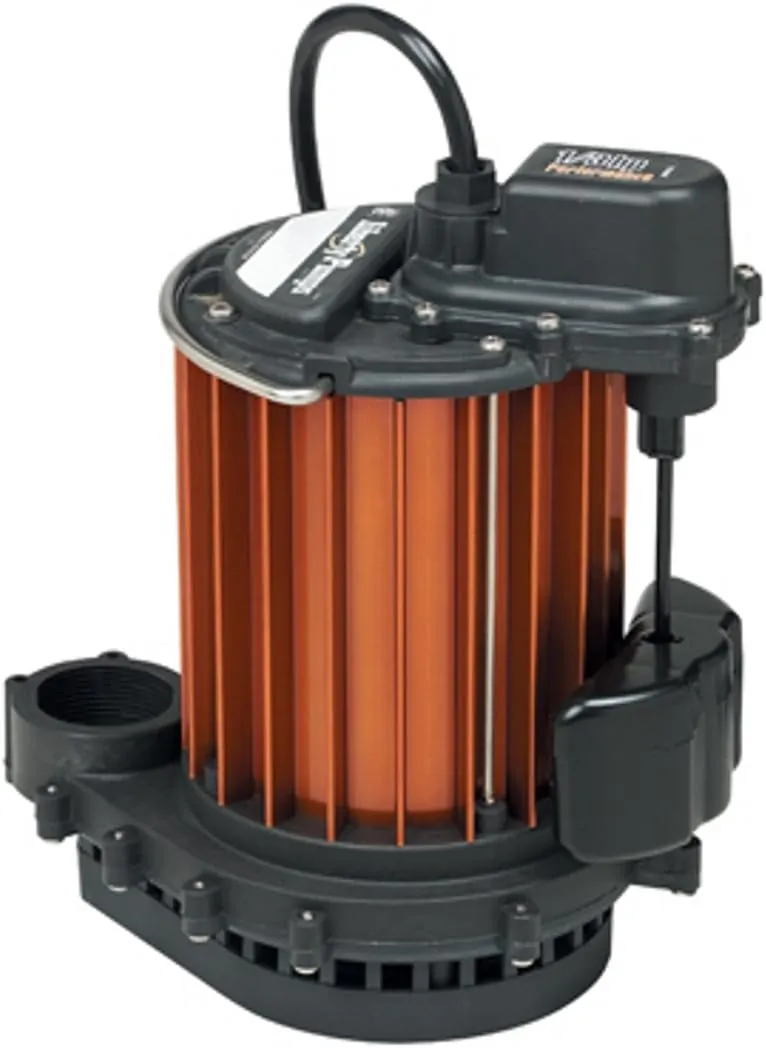
| Vertical float | A float slides up a rod | Narrow pits |
| Diaphragm | Water pressure pushes a sealed diaphragm | Pump sits flat on the pit floor |
| Electronic | Sensors detect the water level | Keep sensors clean |
Examples in our catalog
- Tethered: Superior Pump 92250.
- Vertical: Red Lion RL-SC50V, which starts at 7.25 in and stops at 2.75 in.
- Magnetic vertical: Liberty 237.
- Diaphragm: the Little Giant compact basin system, on at 4 to 7 in.
Replacing a switch
Piggyback switches plug in between the pump and the outlet, so a failed switch can be replaced without changing the pump. Our accessories hub lists replacement float switches.
Shorter switch ranges mean more frequent cycles; the basin cycle calculator shows how often a pump will run.
Products mentioned
Questions readers ask
Which float switch is best for a narrow pit?
A vertical float, which rides a rod instead of swinging.
Can I replace just the switch?
Yes, if the pump uses a piggyback plug or a separate switch.