A Liberty high water alarm sounds when the alarm float rises above the pump's normal on level, meaning the pump failed, cannot keep up or is blocked. Silence it, stop using water on a sewage system, and check the breaker, pump and floats. StormCell 442 backups also report low battery, float faults and blown fuses, and their silence button resets after 6 hours.
What the alarm is telling you
Liberty's sewage systems and backup pumps use a separate alarm float mounted above the pump's on level. On its Pro-series and QuickTree systems, the pump float and alarm float are both mounted on a stainless rod, preset at the factory, and Liberty says they should not be adjusted, because changing them can cause improper activation of the pump or alarm. When water reaches the alarm float, the panel sounds and lights up.
So a sounding alarm almost always means the water in the basin is too high. Liberty's own list of likely causes on its StormCell interface is failed primary or secondary pump, a float switch hang-up, or a low or defective battery. Liberty notes that the Uniform Plumbing Code calls for an audio and visual alarm on sewage systems precisely so that this condition is noticed before waste backs up.
What to do first
Silence the alarm, then act on the cause. On a sewage ejector system, stop running water, flushing toilets and using the washing machine, because everything you send down the drain adds to a basin that is already full. On a sump system, watch the pit level and be ready to pump it with a utility pump if it keeps rising.
Then check power. A tripped breaker or GFCI is the simplest cause of a pump that has stopped. Liberty's troubleshooting tables list a tripped breaker, tripped GFCI or blown fuse as the first reason a pump does not start, followed by a float that cannot move because of interference in the basin and a defective float switch.
- Press the silence button on the alarm or interface.
- Stop using water if it is a sewage basin.
- Check the breaker, GFCI and pump plug.
- Look for a float stuck against the basin wall or pipe.
- Call a plumber if the pump hums or does nothing with power present.
StormCell 442 backup alarms
Liberty's 442 battery backup pump, sold alone and in the PC257-442 combination, has a StormCell user interface with an LCD, a red LED alarm ring, and buttons for alarm silence, alarm test, pump test and clear. Its manual explains the main alerts. A high water message points to a failed pump, a hung float or a weak battery. A low battery alarm during an outage means the battery is running down and will recharge when power returns, which Liberty says takes at least 12 hours from dead. A float fault means the floats operated out of order, often from binding or buildup, though Liberty notes the 442 has float redundancy and may still run.
Other alerts include a blown pump fuse, a reversed battery and, on NightEye models, a lost Wi-Fi connection.
| Control or alert | What it does or means |
|---|---|
| Alarm silence | Silences the alarm; resets after 6 hours or when pressed again |
| Alarm test | Sounds the alarm for about 5 seconds |
| Pump test | Runs the pump for 3 seconds or while held |
| Low 9V battery LED | Replace the interface's 9V battery; at least yearly |
| Float fault | Floats actuated out of order; check for binding or buildup |
| Charging time | At least 12 hours from a dead 12 V battery |
Figures: Liberty Pumps 442 battery backup installation manual 1074000.
Beeping without high water
If the basin level is normal but the device chirps, look at the batteries. The StormCell interface needs a 9V battery installed at all times, and Liberty asks for it to be replaced at least yearly or whenever its low battery LED lights. Liberty's SJ10A water-powered backup uses a wall alarm with its own internal battery backup, a low battery LED, and silence and test buttons. NightEye devices also run on a 9V battery and alert your phone through the app.
Liberty's NightEye guide adds a wrinkle: in a power outage your home router goes down, so phone alerts stop, but the alarm in the basement still sounds on its internal battery.
Alarms on Liberty sewage ejector systems
On a Liberty sewage system such as the P382LE51, the alarm float sits on the QuickTree rod beside the pump float, under its own access cover. That lets a plumber lift the floats out to clean them without removing the pump. Liberty's manual refers owners to the supplied alarm manual for alarm wiring and faults, so keep it with the system. If floats are coated with grease or debris, cleaning them often clears a false alarm; if the pump has failed, Liberty's LE51A is the pump used in many of its simplex systems.
Testing the alarm
Use the test button regularly. On the StormCell interface, alarm test sounds the alarm for about five seconds and sends NightEye notifications; pump test runs the backup pump briefly. On NightEye devices, the app's test button activates the audible and visual alarm and notifies every contact you have set up. A monthly test catches dead batteries and broken notifications before they matter. If you use a water-powered backup, the SumpJet SJ10 is sold with alarm options for the same reason.
Common mistakes
- Silencing the alarm and forgetting it without finding the cause.
- Running water into a sewage basin that is already in alarm.
- Adjusting the factory-set QuickTree pump and alarm floats yourself.
- Letting the interface 9V battery die so the alarm goes quiet.
- Relying on phone alerts that stop when the router loses power.
Products that fit
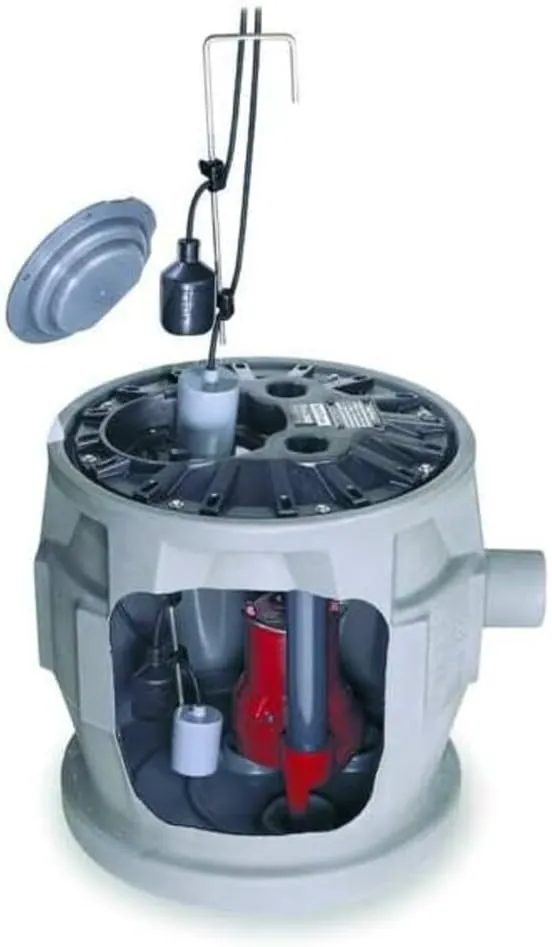
Liberty Pumps P382LE51 Pro380 Simplex Sewage System
Liberty sewage system with QuickTree pump and alarm floats under an access cover.
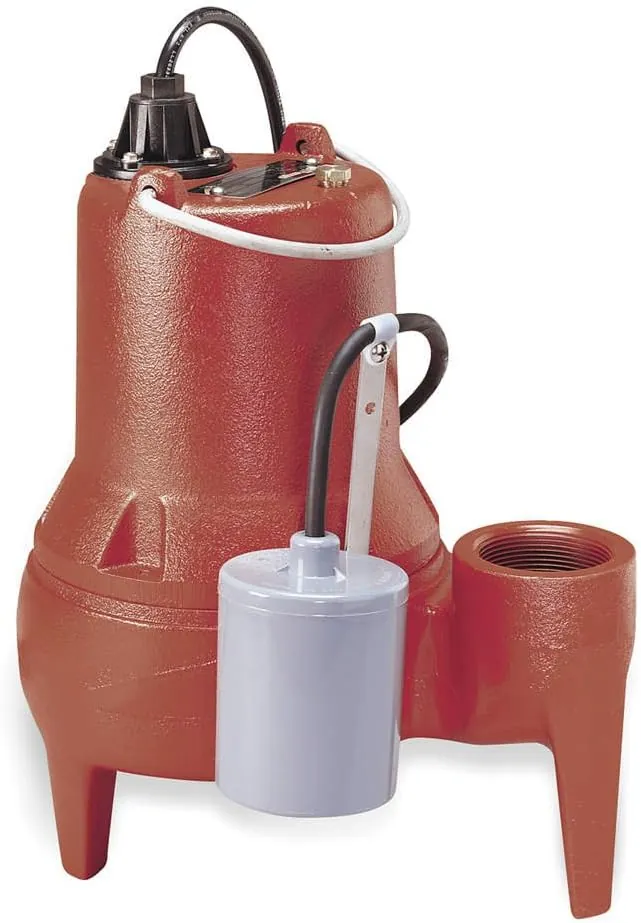
Liberty Pumps LE51A Sewage Pump
1/2 HP Liberty sewage pump used in many of its simplex systems.
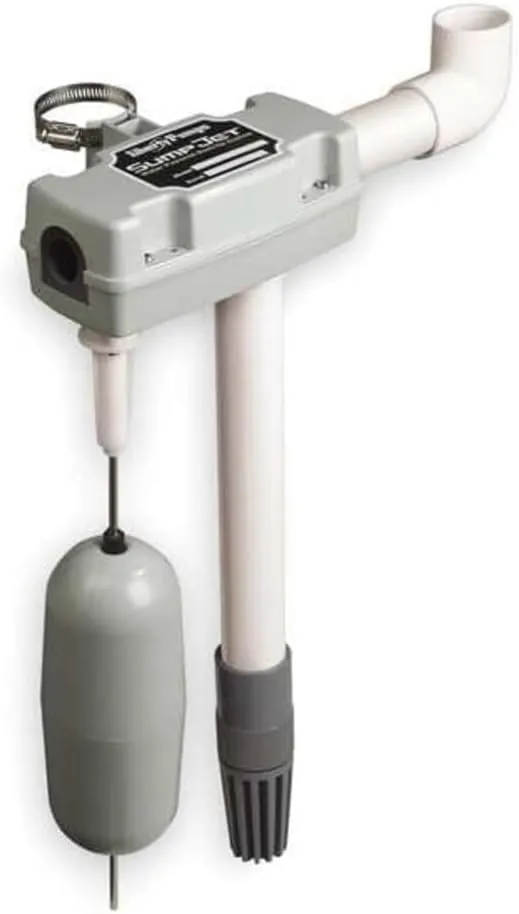
Liberty SumpJet SJ10 Water-Powered Backup Pump
Water-powered backup pump sold in alarm and NightEye wireless alarm versions.
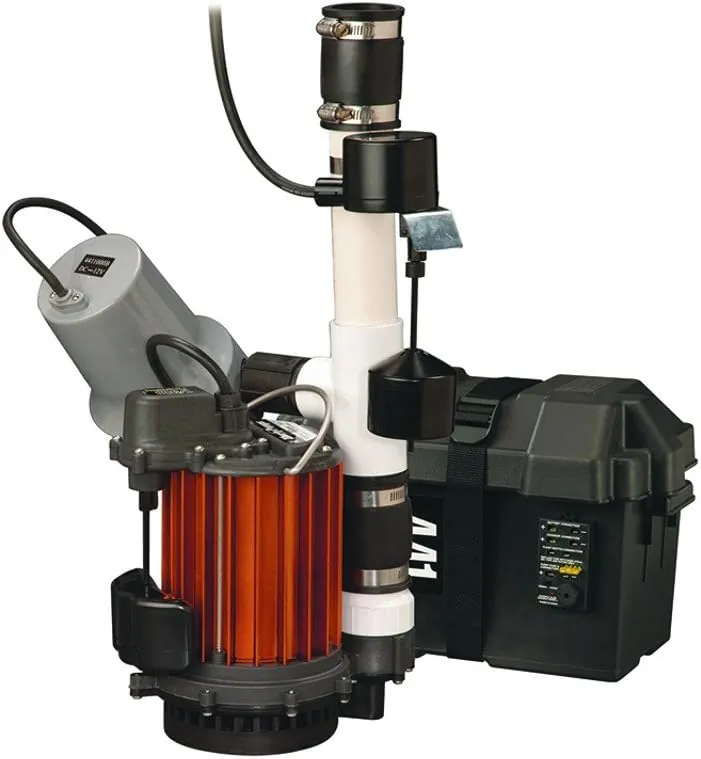
Liberty Pumps PC257-442 Combo Sump Pump System
Sump pump and StormCell 442 battery backup combination with an alarm interface.
Questions readers ask
Why is my Liberty pump alarm beeping?
Most often because water has reached the alarm float: the pump failed, cannot keep up, or a float is stuck. If the water level is normal, check the alarm's 9V battery and, on StormCell systems, the display message.
How do I silence a Liberty StormCell alarm?
Press the silence button on the interface. Liberty says the silence resets after 6 hours or when you press it again, so fix the cause before then or the alarm returns.
What does a flashing red light on a Liberty alarm mean?
Liberty's alarms use a bright red LED ring to show an active alarm, usually high water. Check the basin level and the pump first, then the batteries and display messages.
Can I adjust the alarm float on my Liberty system?
Liberty says QuickTree pump and alarm floats are preset at the factory and should not be adjusted, because changes can stop the pump or alarm working at the right levels.