The short answer
A sump pump moves clear groundwater out of a pit and must never handle sewage. A sewage ejector pumps raw sewage, passing solids up to about 2 inches whole through a 2-inch discharge, and suits a basement bathroom close to the main drain. A grinder pump shreds solids into slurry and pushes it at higher pressure through small 1.25 to 2-inch pipe, so it can send waste long distances or uphill, for example to a pressurized sewer main or a distant septic tank.
Side by side
| Sump pump | Sewage ejector | Grinder pump | |
|---|---|---|---|
| Handles | Clear groundwater | Raw sewage, gray water | Raw sewage, ground to slurry |
| Solids passed | About 3/8 to 1/2 inch | Up to about 2 inches | Shredded; none passed whole |
| Typical discharge pipe | 1.25 to 1.5 inch | 2 inch | 1.25 to 2 inch, pressurized |
| Head (lift) | Low to moderate | Low to moderate, high flow | High, lower flow |
| Basin | Open or lidded pit | Sealed, vented basin | Sealed, vented basin |
| Typical use | Basement water control | Basement bathroom near the drain | Long or uphill runs, pressure sewers |
| Relative cost | Lowest | Moderate | Highest |
Which one your project needs
- Water in the basement or a high water table: sump pump. Never connect toilets, sinks or washers to it.
- Basement bathroom with the house drain above the floor and less than about 20 to 25 ft of vertical lift: sewage ejector in a sealed basin. It is simpler and moves waste quickly.
- Long or uphill runs, a home on a low-pressure sewer system, or a septic tank far away or uphill: grinder pump.
- Adding just a toilet without breaking the floor: a macerating toilet is the smaller alternative.
Pumpendium mathTotal dynamic head for an ejector = vertical lift from the basin to the drain connection + friction in the pipe and fittings. A basement bathroom 8 ft below the drain with 30 ft of 2-inch pipe typically needs about 10 to 12 ft of head at the flow the pump delivers. Check the pump curve at that head.
Installation points that matter
- Sealed, vented basin: sewage basins must be gas-tight and vented to the plumbing vent system.
- Check valve and shut-off: on the discharge, so the pump can be serviced and waste does not run back.
- Alarm: a high-water alarm is cheap insurance against a failed pump flooding the basement with sewage.
- Duplex systems: two pumps in one basin, alternating, for homes that cannot tolerate any downtime.
- Permits: sewage pumping systems almost always require a permit and inspection.
SafetySewage basins produce methane and hydrogen sulfide. Never open a sealed basin without ventilation, and leave pump replacement in occupied basins to a plumber if you are unsure.
Upkeep and lifespan
Ejectors and grinders typically last 7 to 15 years. Keep wipes, grease and sanitary products out of the system, test the alarm twice a year, and listen for a pump that runs longer than usual. Grinder pumps need professional service when the cutters wear.
Products mentioned
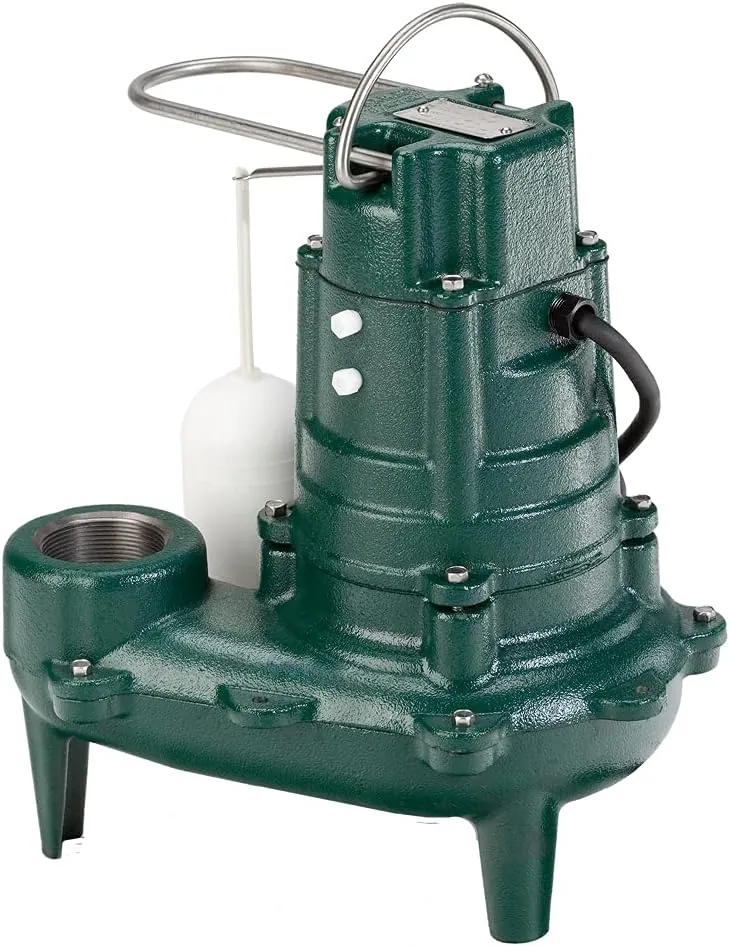
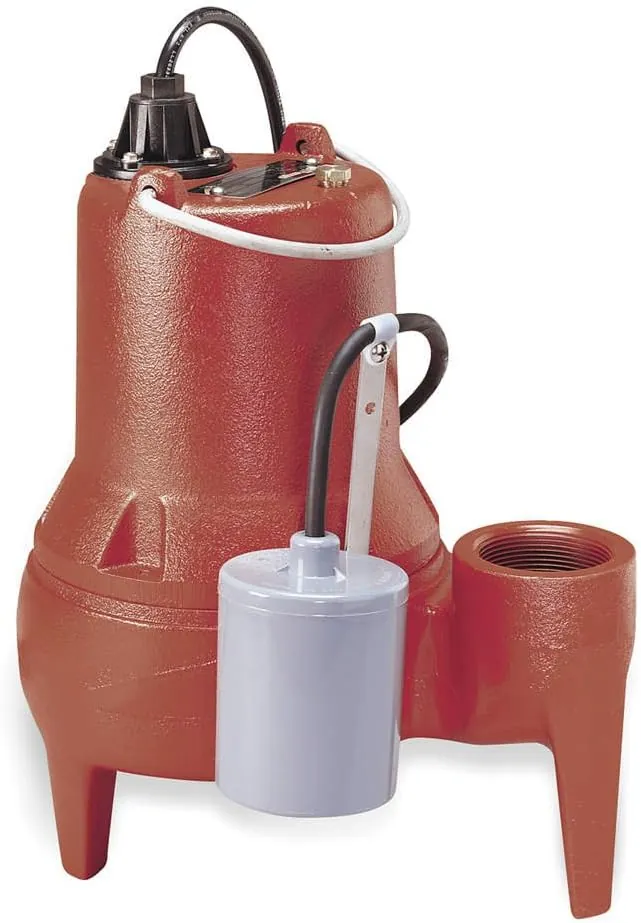
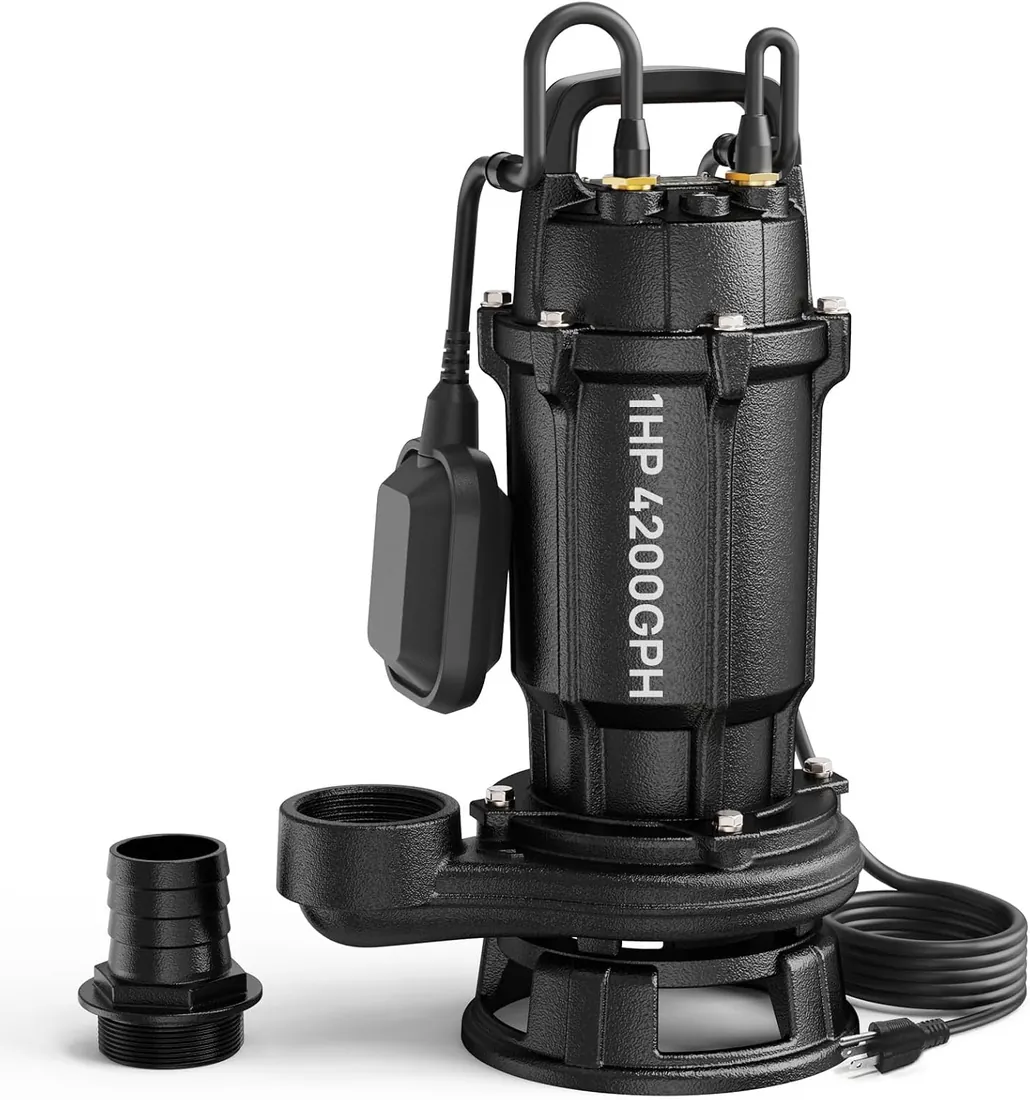
Questions readers ask
Can a sump pump be used for sewage?
No. Sump pumps are designed for clear water and small debris; sewage solids clog them, and discharging sewage to the yard is illegal and a health hazard.
Do I need a sewage ejector or a grinder pump for a basement bathroom?
Usually a sewage ejector, if the main drain is in the house and the lift is modest. Choose a grinder pump for long horizontal runs, high lifts or a pressurized sewer connection.
How long do sewage ejector pumps last?
Commonly 7 to 10 years, sometimes longer, depending on use and whether non-flushable items get into the basin.
Does a sewage ejector need a vent?
Yes. The sealed basin must be vented to the plumbing vent system to release sewer gas and let the basin fill and empty properly.