Frequent cycling usually comes from one of three things: water draining back from the discharge pipe through a missing or leaking check valve, a switch whose on and off levels sit close together in a small pit, or steady groundwater inflow. Check the valve first, then widen the pumping range with a different switch. Steady inflow is normal and only needs attention if the pump cannot keep up.
Is frequent cycling actually a problem?
Not always. After heavy rain or snowmelt, drain tile can feed a pit for days, and a pump that empties it every few minutes is simply doing its job. What separates normal running from short cycling is how much water leaves on each run. If the pump runs for several seconds, lowers the pit by the full switch range and then rests while the pit refills, it is keeping up with inflow.
Short cycling is different: the pump starts, runs a few seconds, stops, and starts again almost at once, often with no rain at all. Zoeller describes this pattern as a function of basin diameter and the on/off pumping range, and warns that it shortens the life of the switch assembly. Every start also puts a surge through the motor windings and capacitor, so a pump that cycles hundreds of times a day wears faster than one making fewer, longer runs.
Cause one: water falling back down the pipe
When a pump stops, everything standing in the vertical discharge pipe wants to drop back into the pit. Without a working check valve, that column of water refills the basin part of the way, and the pump has to move the same water again on the next cycle. Wayne's troubleshooting chart lists back-flow from the discharge pipe and a check valve that is not working or is leaking as the first two causes of a pump that starts and stops too often, and its manual makes a check valve a requirement rather than an option.
To spot it, watch the pit right after the pump shuts off. If the level jumps up within a second or two, or you hear water rushing back, the valve is missing, stuck open or fitted the wrong way round. An arrow on the valve body should point away from the pump. A replacement such as the Zoeller inline check valve fits standard discharge pipe and can sit just above the basin, where Wayne suggests placing one so the pump comes out easily for service.
Cause two: a narrow switch range in a small pit
The gap between the on and off levels sets how much water each cycle removes. In a narrow pit, a few inches of range holds very little water, so even modest inflow trips the switch again quickly. The table shows how far apart the factory levels sit on several common pumps. Vertical and built-in switches tend to have a shorter range than tethered floats, which is one reason makers pair them with small basins only when space forces it.
Most fixed switches cannot be adjusted. Zoeller says plainly that a pump with a self-contained float switch has a pumping range that cannot be changed, and Wayne notes its tether float is not adjustable either. Run the basin cycle calculator with your pit diameter and these levels to see how many gallons each cycle actually moves.
| Pump | Switch | On level | Off level |
|---|---|---|---|
| Zoeller M53 | Built-in float | 7-1/4 in | 3 in |
| Superior 92341 | Piggyback vertical float | 6 in | 2 in |
| Superior 92250 | Piggyback tether float | 9 in | 4 in |
| Liberty 287 | Vertical magnetic float | 9.5 in | 4 in |
| Liberty 283 | Wide-angle piggyback float | 13 in | 7 in |
| Wayne tether models | Tether float | About 13 in | About 7 in |
Figures: Zoeller technical data sheet FM2778, Mighty-Mate series; Superior Pump 92341 product page; Superior Pump 92250 product page; Liberty Pumps 280-Series sales literature LLIT002000; Wayne submersible sump pump manual 600002W-001 J.
Fixes that lengthen each cycle
Once the check valve is sound, the remaining fixes all aim at moving more water per start. Zoeller offers a long-cycle kit for its automatic pumps, or suggests pairing a non-automatic pump with a piggyback variable-level switch, which widens the range and cuts the number of starts. Liberty's 283 is built around that idea: its wide-angle piggyback float can be tethered to change the differential, while the vertical-float 287 cannot be adjusted at all.
Where the pit itself is the limit, the real fix is a larger basin, though that means breaking concrete. A bigger pump does not help short cycling and can make it worse, because it empties the same small range even faster. If the range is fine but inflow is heavy, a pump such as the Liberty 287 or the picks on the cast iron sump pump list will keep up with longer runs.
- Unplug the pump and confirm a check valve is fitted with its arrow pointing up the pipe.
- Run water into the pit and time the run and rest periods.
- Measure the pit diameter and note the switch on and off levels from the manual.
- If the range is the limit, move to a piggyback variable-level switch or a long-cycle kit.
- Recheck the cycle time after the change before deciding a larger pit is needed.
Cause three: steady water from outside
Some basements sit on a high water table, and the drain tile delivers water around the clock in wet seasons. A pump that runs at an even rhythm with no rain in the forecast may be draining that groundwater, not failing. It is also worth looking at where the discharge ends. Wayne asks that the outlet carry water at least 3 ft from the foundation; a line that dumps beside the wall lets the same water soak back to the drain tile and return to the pit, which reads exactly like short cycling.
Gutters, downspouts and grading that slope toward the house feed the same loop. Extending the discharge, sloping soil away and moving downspouts often cut the number of cycles more than any change inside the pit.
When the switch or pump is the culprit
A switch can fail in a way that mimics short cycling: contacts that chatter, a float that sticks partway up, or a tether caught on the wall. Wayne treats a faulty switch as a cause of both too-frequent starts and a pump that will not shut off, and its fix is a new tether switch or a new pump. It also asks owners to replace tether switches every two years as routine maintenance.
Zoeller gives an average switch life of four to seven years and a pump service life of seven to ten years. If your pump is in that range and cycling has crept up with no change in weather, a worn switch is likely. Pumps with a piggyback switch let you swap only the switch; built-in switches need the maker's repair kit or a new pump.
Common mistakes
- Buying a larger pump to fix short cycling, which empties the same small range even faster.
- Skipping the check valve because the old pump never had one.
- Installing the check valve upside down so it blocks flow or never seals.
- Shortening a tether to stop cycling, which narrows the range further.
- Ending the discharge pipe beside the foundation so the same water returns to the pit.
Products that fit
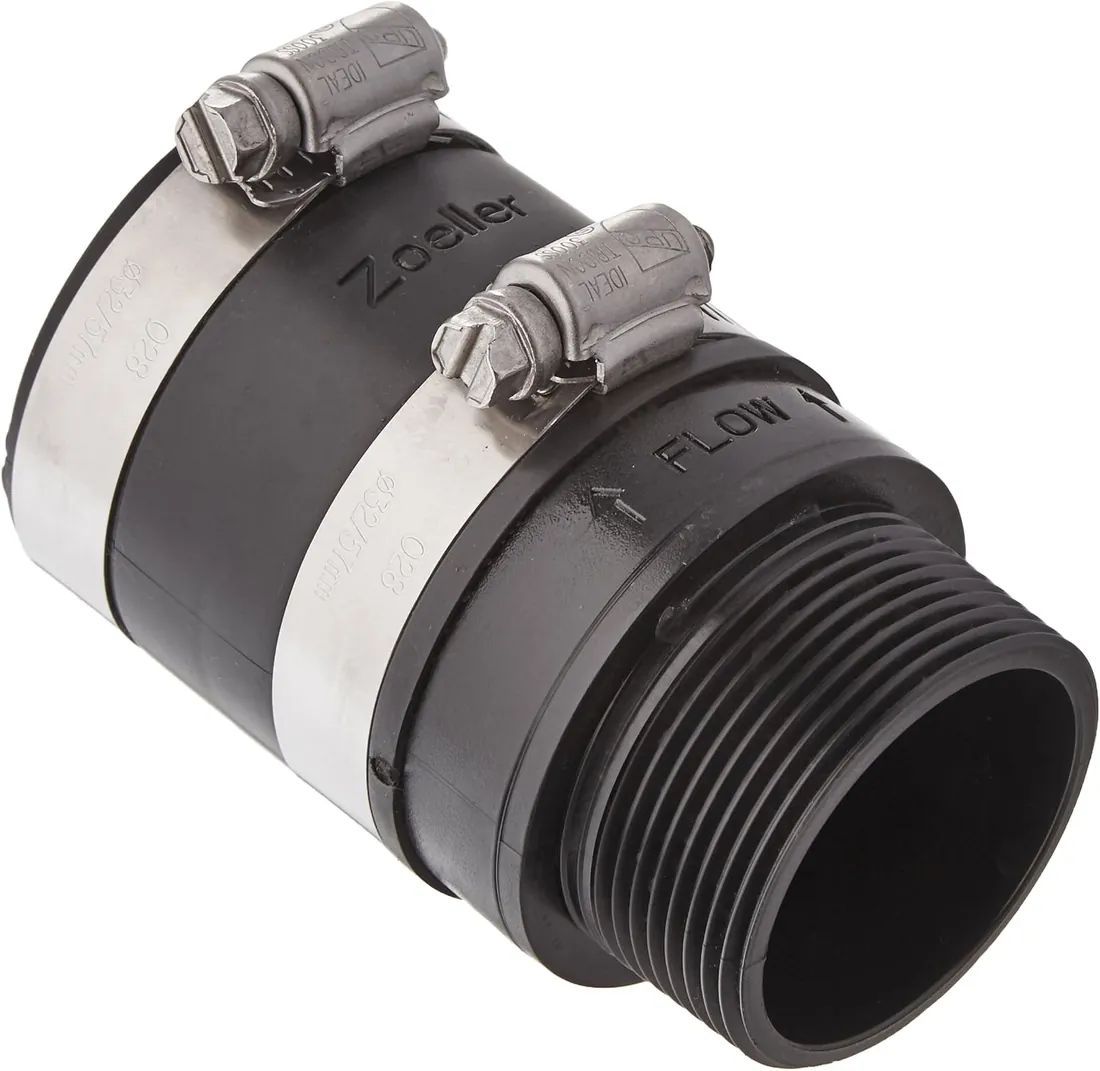
Zoeller 30-0238 Inline Check Valve
Inline check valve for the discharge pipe, the first fix for backflow cycling.
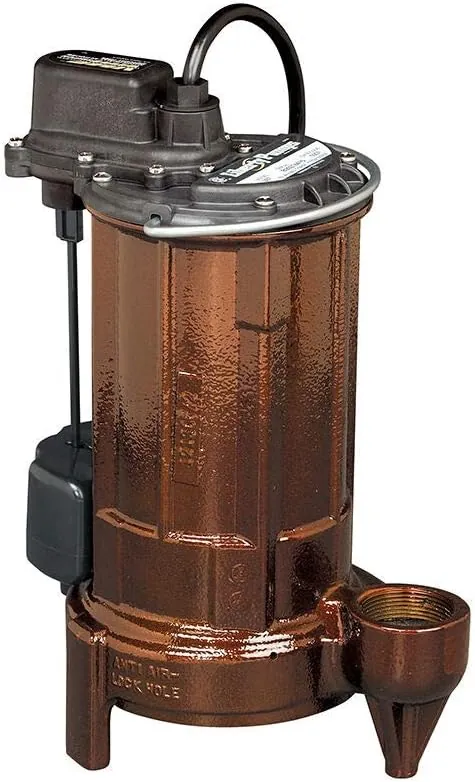
Liberty Pumps 287 Sump Pump
Vertical magnetic float with a 9.5 in on level and a 4 in off level.
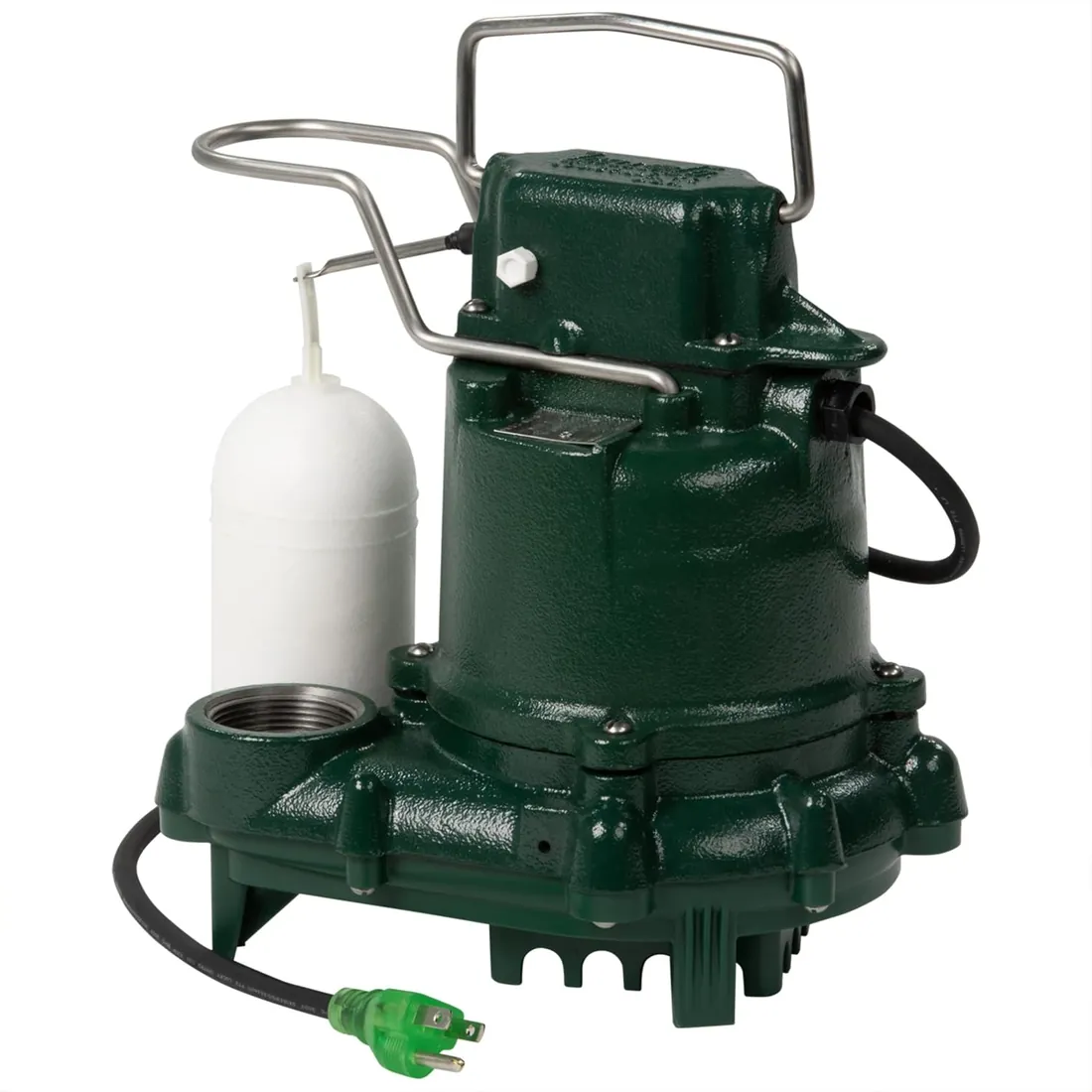
Zoeller M53 Mighty-Mate Sump Pump
Built-in float with fixed levels for pits where nothing else fits.
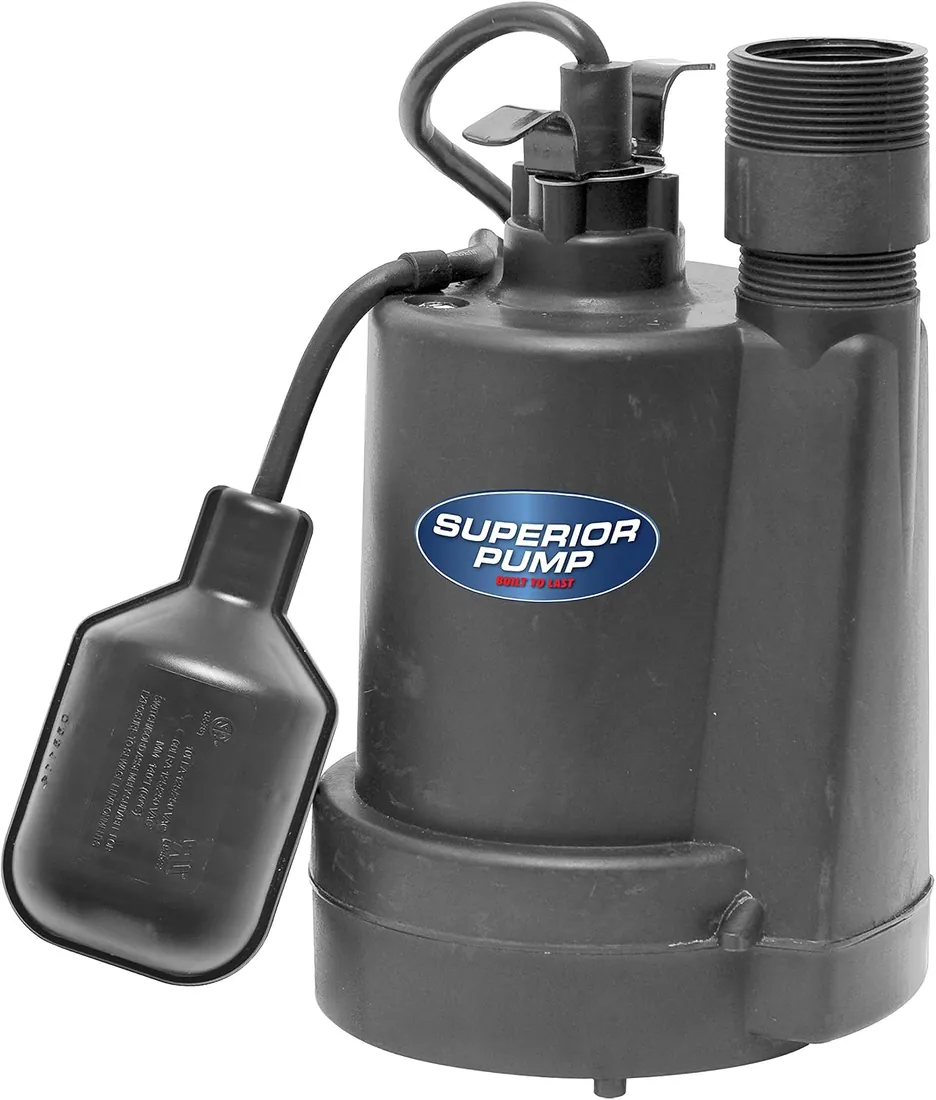
Superior Pump 92250 Thermoplastic Sump Pump
Tether float model with a wider pumping range than its vertical-float siblings.
Questions readers ask
How often should a sump pump run?
There is no fixed number. During heavy rain a pump may run every few minutes for hours, and in dry weather it may sit idle for weeks. What matters is that each run lowers the pit through the full switch range and that the pump rests between runs rather than restarting immediately.
Does a check valve stop short cycling?
It stops the kind caused by water draining back from the discharge pipe, which is the most common kind. Zoeller notes that installing one helps decrease short cycling. It will not help when the cause is a narrow switch range in a small pit.
Can I adjust the switch on my automatic pump?
Usually not. Built-in and vertical switches are set at the factory. To get a wider range, use a pump with a piggyback variable-level float, or a non-automatic pump with a separate switch, as Zoeller suggests for short cycling.
Is it bad if my sump pump runs every minute?
If it runs a few seconds and restarts within a minute with no storm, yes. That pattern wears the switch and motor quickly. Check the check valve, the switch range and where the discharge ends before the pump fails outright.