Water-powered sump pumps are not illegal in general, but they must be installed with backflow protection so sump water cannot reach the drinking supply. Liberty states that the Uniform Plumbing Code and some states, Michigan among them, require a reduced pressure zone backflow device. Ask your local plumbing or water authority before you buy one.
How a water-powered sump pump works
A water-powered backup pump has no motor. City water under pressure flows through a nozzle, and that fast jet creates suction that draws sump water up through a foot valve and pushes both streams out of the discharge pipe together. A float opens the supply valve when the pit water rises above the primary pump's switch-on level and closes it when the level falls.
Liberty's SumpJet SJ10 is the typical design. It clamps to the existing discharge pipe, takes a 3/4 in supply line and has its own 1-1/2 in discharge. Liberty says it uses about one gallon of city water to remove two gallons of sump water, depending on lift, and that it is meant only as an emergency backup, never as the main pump.
Are water-powered sump pumps illegal?
No maker document here describes them as banned, but they are regulated, and the reason is backflow. The pump connects the drinking water supply to a pit of dirty groundwater. If supply pressure ever dropped, sump water could in theory be drawn back into the house plumbing.
Liberty's manual is direct about this. The SJ10 carries an internal check valve for nominal backflow protection, but the installer must add further protection to meet local plumbing code or the water authority's rules. It states that the Uniform Plumbing Code, and the plumbing codes of some states including Michigan, require a reduced pressure or reduced pressure zone backflow device. Those devices may need a licensed installer and, in some areas, periodic inspection.
So the honest answer is that legality depends on where you live and on installing the required backflow device. Call your local plumbing inspector or water utility first. Some utilities also restrict using treated water this way, so check before you plumb anything in.
How much water it actually removes
Output depends on two things: your water pressure and the lift. Liberty publishes a full table, measured with the supply valve open and water flowing. Low pressure or a high lift cuts output sharply, and at 20 psi the SJ10 does not lift water 12 ft at all. Liberty recommends at least 30 psi at the inlet, measured ahead of the backflow device.
| Supply pressure | 4 ft lift | 8 ft lift | 12 ft lift | 15 ft lift |
|---|---|---|---|---|
| 20 psi | 11.0 | 5.8 | None | None |
| 30 psi | 12.8 | 9.0 | 5.5 | None |
| 40 psi | 15.4 | 12.5 | 9.3 | 7.2 |
| 50 psi | 17.2 | 14.5 | 12.0 | 10.0 |
| 60 psi | 19.8 | 17.0 | 15.2 | 13.5 |
Pros and cons against a battery backup
The main advantage is endurance. As long as the city keeps water pressure, the pump keeps working, with no battery to run flat during a multi-day outage and no battery to replace every few years. It also handles a failed primary pump as well as a power cut.
The drawbacks are just as clear. Liberty notes that the SJ10 needs an uninterrupted water source and will not work during a power outage if your house runs on a well pump, since the well pump stops too. It uses city water, so long runs raise your water bill. It moves less water than most battery systems at higher lifts and low pressure. And it needs the backflow device discussed above. If you are on a well, or your lift is high, compare it with the systems on the battery backup sump pump list.
Installation points from the manual
Liberty's instructions for the SumpJet SJ10 set out several rules that also apply to other brands. The bottom of the pump housing should sit roughly 12 to 16 in above the level where the primary pump turns on, so it only runs when the main pump falls behind. Liberty recommends a pit at least 18 in across so the two floats do not interfere.
- Clamp the unit to the primary discharge pipe above the main pump's on level.
- Run permanent 3/4 in copper, PEX or CPVC supply pipe, never a garden hose.
- Fit the backflow device your code requires and a shut-off valve within 6 ft.
- Purge the supply line of debris before connecting it.
- Route a separate discharge outside, not into the primary pump line or a drain.
- Fill the pit with a hose or bucket and watch the unit start and stop.
When it keeps running or will not start
A water-powered pump that keeps running usually has a float held up by debris or rubbing on the pit wall or the main pump, or debris lodged in the supply valve; Liberty asks owners to purge the line before installing for exactly that reason. One that will not start usually has a closed shut-off valve, low supply pressure, a clogged suction screen or a float that cannot move. Liberty suggests running idle units manually each month and keeping the float and screen clean. An alarm, such as the one on the SJ10A, tells you when the backup has taken over.
Other water-powered units exist, such as the Pumps-A-Lot WP25, but the same backflow rules apply to every one of them.
Common mistakes
- Installing without the backflow device your local code requires.
- Relying on one in a house supplied by a well pump.
- Connecting its discharge into the primary pump's pipe or a floor drain.
- Using a garden hose for the supply line instead of permanent pipe.
- Mounting it so low that it runs before the main pump turns on.
Products that fit
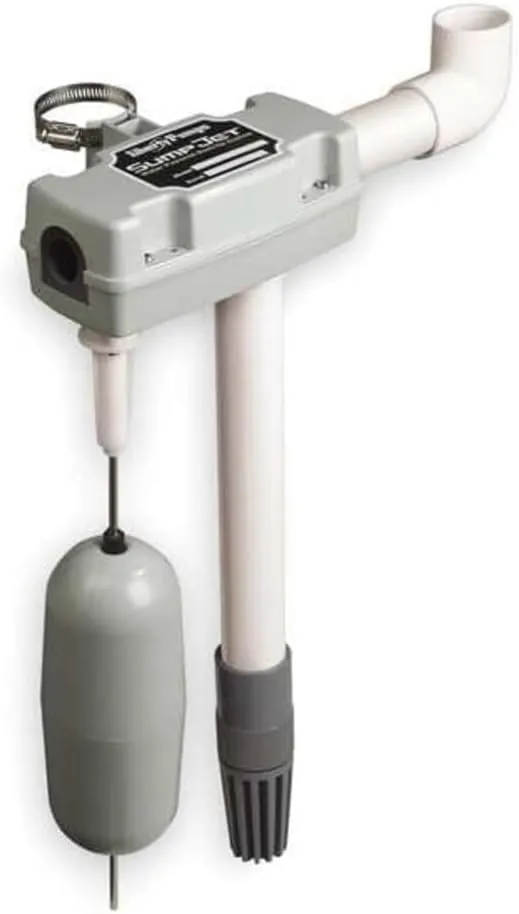
Liberty SumpJet SJ10 Water-Powered Backup Pump
Clamps to the existing discharge, takes a 3/4 in supply and needs no electricity.
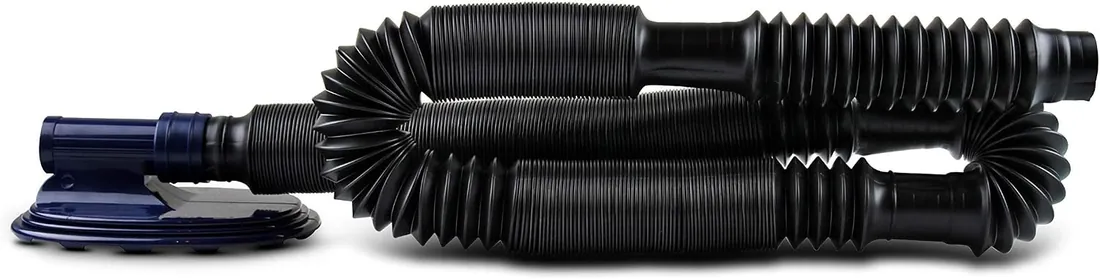
Pumps-A-Lot WP25 Water-Powered Pump
Non-electric water-powered pump sold as a smaller alternative; the same backflow rules apply.
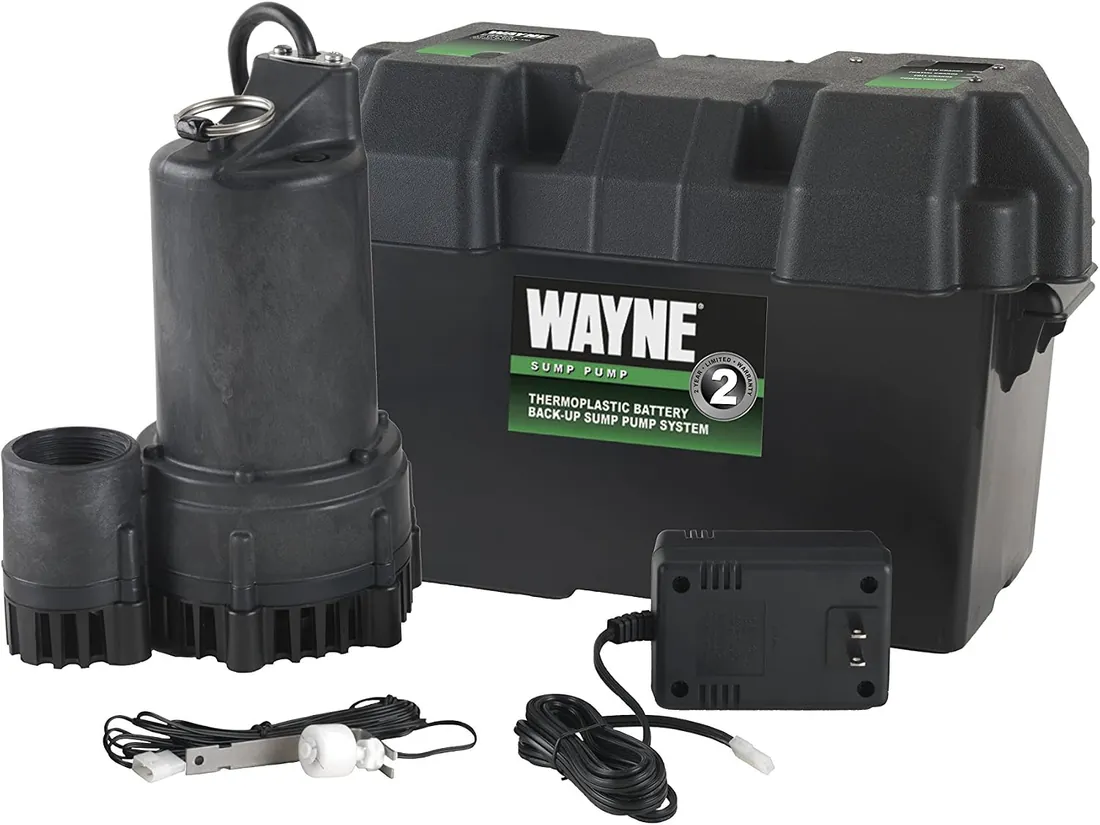
Wayne ESP25 12 Volt Battery Backup Sump Pump System
Battery alternative for homes on a well or with low water pressure.
Questions readers ask
Do water-powered sump pumps work during a power outage?
Yes, if you have city water. They need no electricity, only water pressure. Liberty warns that on a well system they will not work in an outage, because the well pump also loses power.
How much water does a water-powered sump pump use?
Liberty says its SumpJet uses about one gallon of city water to remove two gallons of sump water, depending on lift. Long storms during an outage can therefore add noticeably to your water bill.
Why won't my water-powered backup sump pump shut off?
Usually the float is stuck up by debris or rubbing on the pit wall or primary pump, or debris has lodged in the supply valve. Shut off the supply, clean the float and screen, and make sure the float moves freely.