Most sump smells come from stagnant water and bacteria in the pit, a dried-out pit that lets soil gas through, or an unsealed lid. A sewage smell can mean a laundry or floor drain empties into the pit. Clean the pit and pump with water and a brush, refill it with fresh water, fit a sealed lid with a gasket, and remove any drain that should not be there.
What different smells tell you
A musty or mildew smell usually means standing water and organic debris in the pit. Leaves, silt and bacterial film break down slowly in a damp, dark basin, especially in dry spells when the pump rarely runs. A rotten egg smell points to sulphur-reducing bacteria in still water, or to gas rising from the soil through a pit that has dried out. A true sewage smell, with no septic system near the pit, means wastewater is reaching the basin from somewhere.
Reddish, slimy growth on the pump and pipe is iron ochre. Basement Watchdog's maintenance checklists call it out and recommend cleaning it off, because it fouls floats and screens as well as adding to the odour. None of these smells come from a healthy pump; the motor is sealed and oil-filled.
Rule out wastewater first
Sump pumps are for clear groundwater only. Wayne's manual says its sump pumps must not handle raw sewage or grey water. If a washing machine, laundry tub, dehumidifier hose or basement floor drain empties into the pit, soap, lint and organic matter feed bacteria, and the result smells like a drain. Look at every pipe entering the pit: drain tile from the perimeter is expected; anything coming from a fixture is not.
Laundry and sink water belong in a drain pump system or a sewage ejector, not a sump. Zoeller's drain pump system, for instance, is made for laundry trays and sinks and passes laundry lint. If you have a separate sewage ejector basin and smell sewage, check its lid seals and vent first; Liberty says its sewage basin cord channels must be sealed to keep sewer gas in.
Cleaning a smelly sump pit
Unplug the pump and any backup first. Lift the pump out by its handle, never the cord, and let an oil-filled pump cool before handling it; Wayne asks for at least two hours after heavy running. Scoop or wet-vacuum the sludge from the pit floor, then scrub the walls, the pump body and the float with a stiff brush and plain water. Rinse the inlet screen.
Be careful with chemicals. Pump makers rate their pumps for clear water, and Liberty's warranty excludes pumps used on chemicals, so avoid pouring strong cleaners into the pit and leaving them there. If you use a pit cleaner, choose one sold for sump systems, follow its directions and flush the pit with fresh water so the pump moves it out. Then refill the pit with clean water until the pump runs, which also confirms everything works.
- Unplug the main pump and any backup pump.
- Remove the pump by its handle and set it on a tarp.
- Wet-vacuum sludge and debris from the pit floor.
- Scrub the pit, pump and float with water and a brush.
- Reinstall the pump level on a solid base.
- Fill the pit with clean water until the pump cycles.
When the pit is dry
In dry seasons the pit may hold almost no water. The gravel and drain tile around the foundation can then let soil gases and damp air into the basement through the open pit. Pouring a bucket of water in now and then keeps a little water in the bottom and tests the pump at the same time, which Wayne recommends as part of its maintenance routine anyway.
A pit that is often dry is also a good candidate for a sealed lid, which stops air moving between the soil and the room.
Sealing the pit
Wayne's sump manual asks owners to secure the basin cover and gasket to stop debris falling in, prevent injury and contain gases and odours. An airtight lid with grommets around the pipe and cords is the single most effective odour fix for a clean pit. Slotted covers, such as the Jackel SF1850S, let floor water drain into the pit and keep debris out, but they do not seal against odour, so choose the type that fits your problem.
Seal every penetration. Gaps around the discharge pipe and cords let air through even with a solid lid. If the pit receives water through the lid on purpose, a sealed lid with a separate floor drain path is the better arrangement.
Pump problems that make smells worse
A pump that leaves too much water behind gives bacteria more to work with. A leaking check valve that lets the discharge pipe drain back into the pit after every cycle keeps old water sloshing in the basin. Wayne lists a faulty or missing check valve among the causes of frequent cycling, and fixing it also helps odour. Iron ochre buildup can block the float and inlet, so clean it out when you see it.
If the pump is old and the pit stays foul despite cleaning, replacing it with a sealed cast iron model such as the Zoeller M53 and fitting a gasketed lid usually resolves it. The maintenance guide lists the regular checks.
Common mistakes
- Letting a washing machine or floor drain empty into the sump pit.
- Pouring strong chemicals into the pit and leaving them to sit.
- Leaving the lid off or using a slotted cover to stop odours.
- Ignoring iron ochre buildup on the float and screen.
- Forgetting to seal gaps around the pipe and cords.
Products that fit
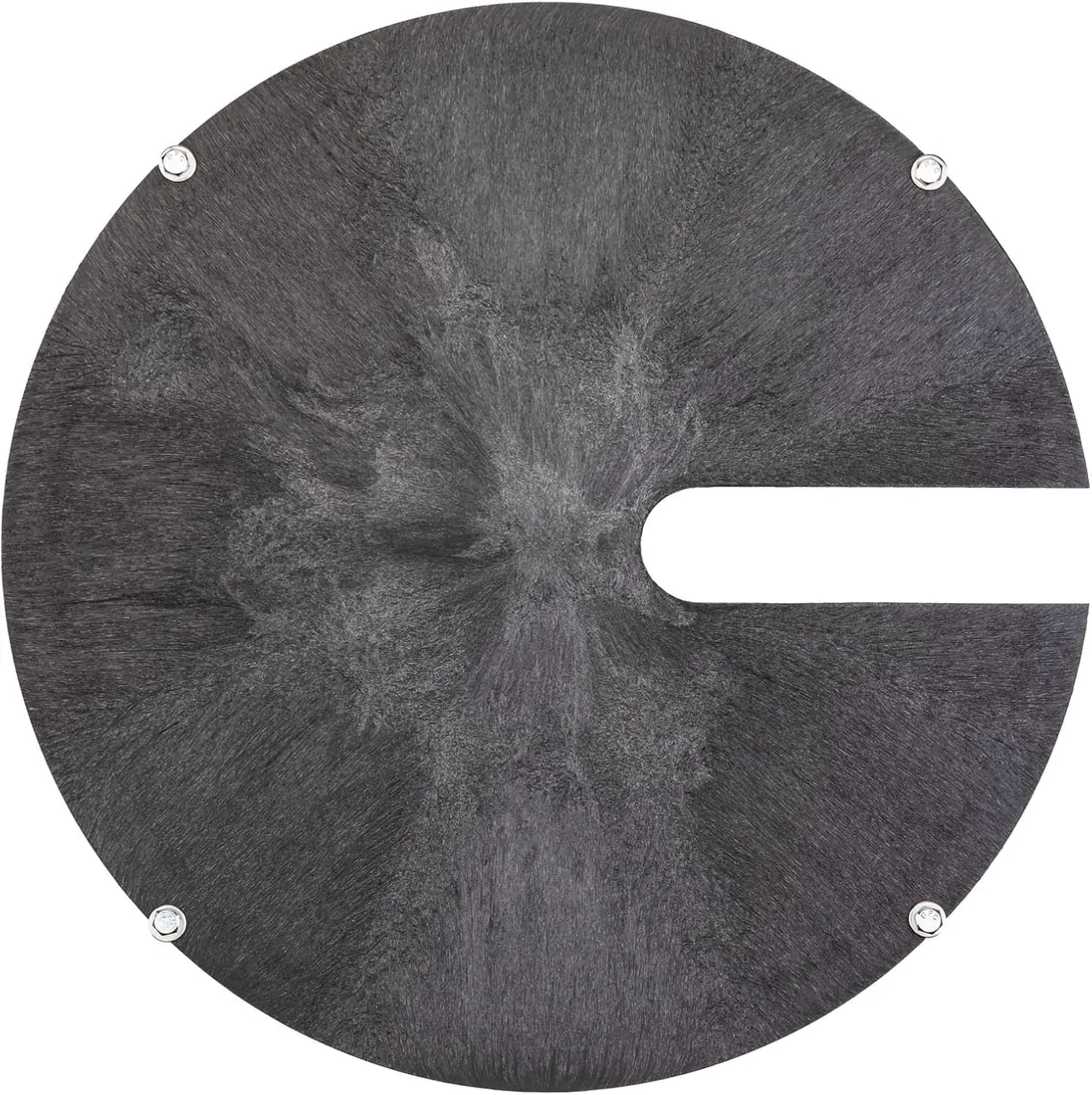
Jackel SF1850S Slotted Sump Basin Cover
Slotted basin cover that keeps debris out while letting floor water drain in.
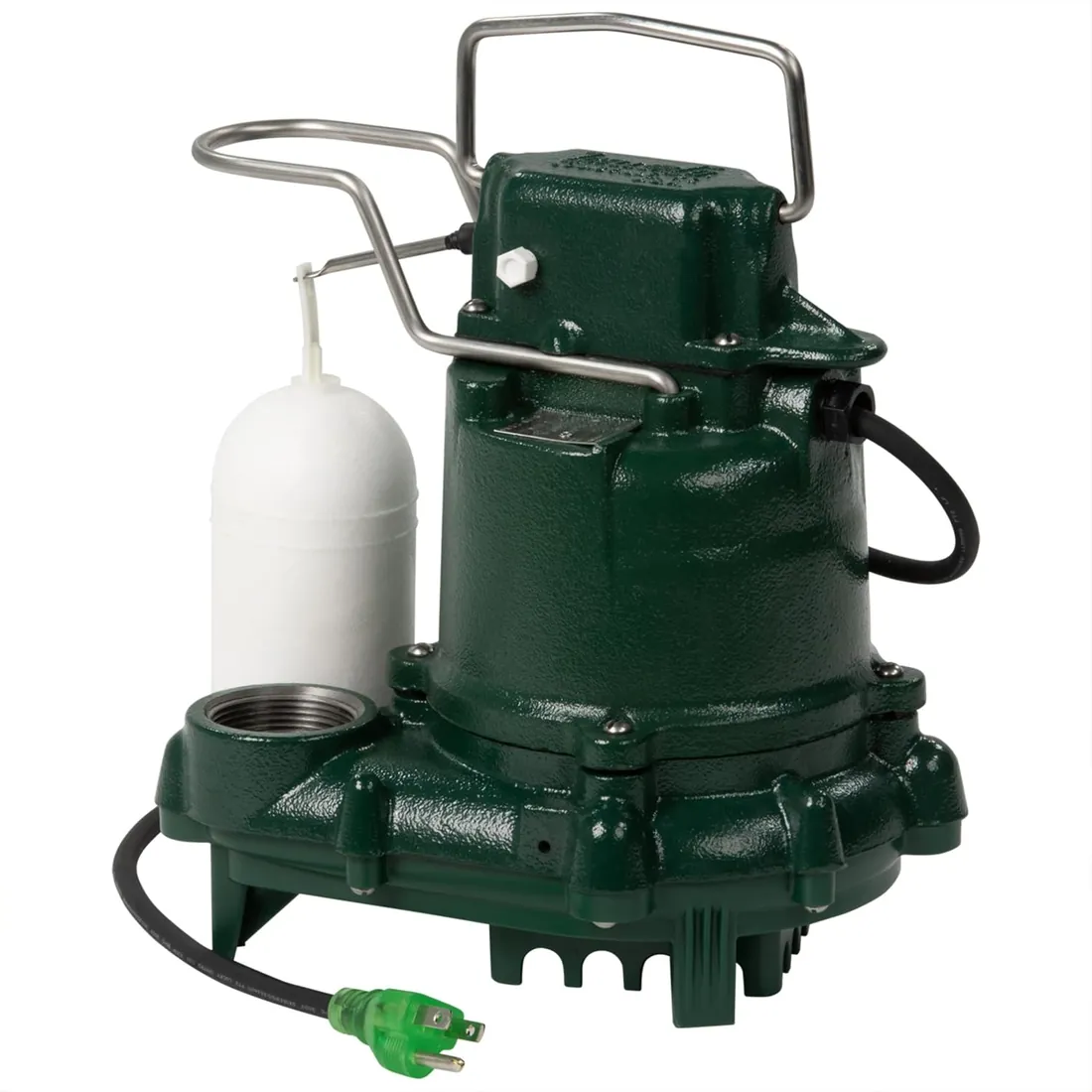
Zoeller M53 Mighty-Mate Sump Pump
Sealed cast iron sump pump made for clean groundwater duty in a basement pit.
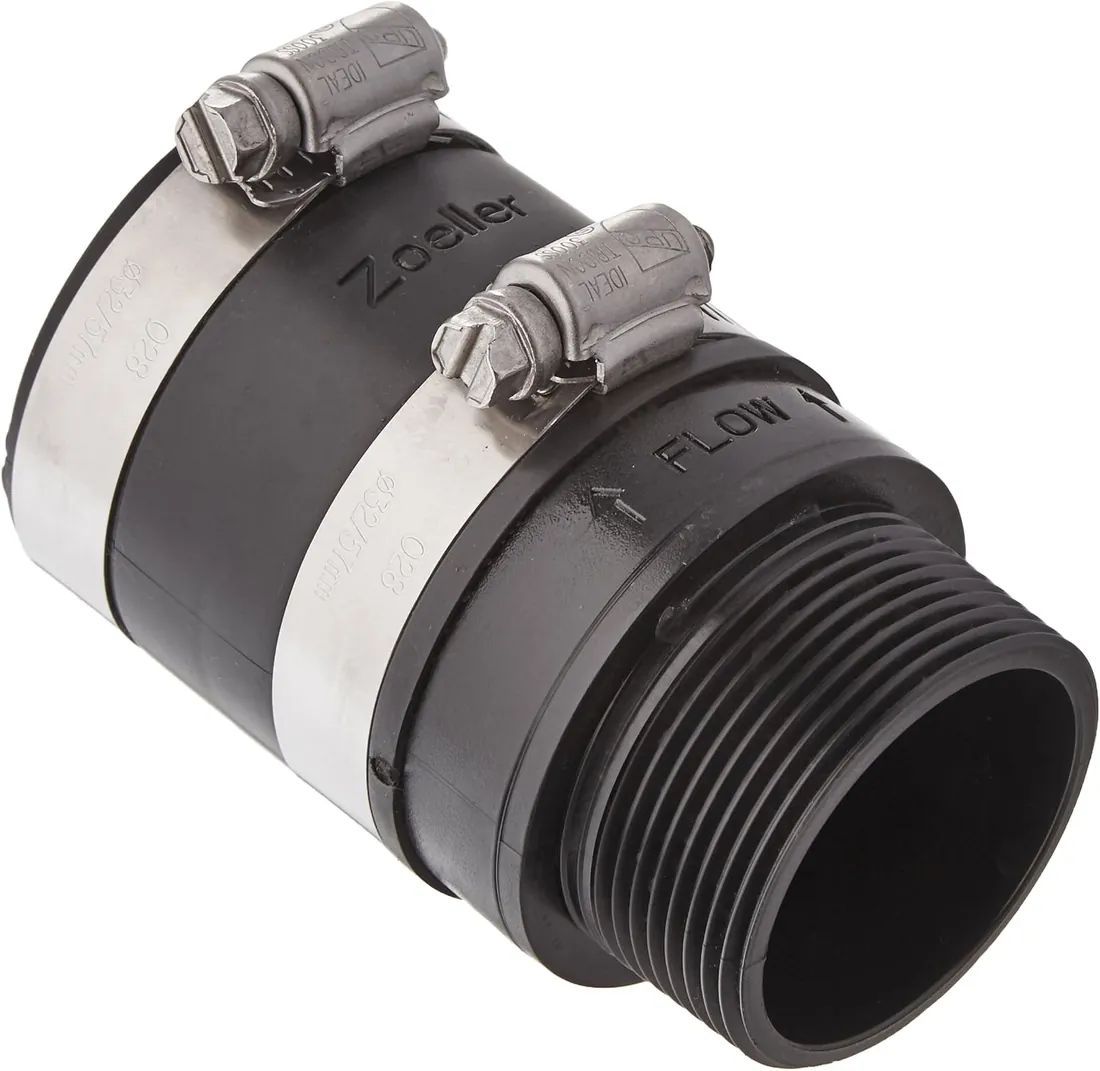
Zoeller 30-0238 Inline Check Valve
Inline check valve that stops old water draining back into the pit.
Questions readers ask
Why does my sump pump smell like sewage?
Either wastewater is reaching the pit from a drain that should not empty there, or stagnant water and debris are decaying. Check every pipe entering the pit, then clean the basin and pump and fit a sealed lid.
Why does my sump pit smell like rotten eggs?
Usually bacteria in still water, or soil gas coming through a dry pit. Cleaning the pit, keeping some fresh water in it and sealing the lid deal with most cases.
Can I pour bleach in my sump pit?
Pump makers rate their pumps for clear water and some exclude chemical use from warranty. Avoid leaving strong chemicals in the pit. Scrub with water, and if you use a sump pit cleaner, flush it out with fresh water afterwards.
Does a sump pump lid stop odours?
A sealed lid with a gasket does. Wayne's manual asks for the basin cover and gasket to be secured to contain gases and odours. Slotted covers keep debris out but let air through.