A standard well pump runs at full speed between a cut-in and cut-off pressure, usually 20 PSI apart, and relies on a large tank to limit starts. A constant pressure system uses a variable speed drive or a smart booster to hold one setpoint as demand changes, so pressure stays steady and a much smaller tank will do. It costs more and adds electronics that need dry, protected installation.
How a standard switch-and-tank system behaves
In a conventional well system, a pressure switch starts the pump at the cut-in pressure and stops it at the cut-off. Pentair says the cut-in is typically 20 PSI below the cut-off, so a 40/60 system lets pressure at the tap drift across a 20 PSI range every cycle. The pump always runs at full speed; the tank's job is to store enough water that it does not have to start too often.
That is why tank size matters so much in these systems. Amtrol's sizing table asks for at least a 1 minute run for pumps up to 3/4 hp and 2 minutes above that, and points a 10 GPM pump on a 40/60 switch toward a 44 gallon WX-250. The result is reliable and simple, with few electronics, but pressure falls noticeably as the tank empties, which is what people notice in the shower.
How constant pressure works
A constant pressure system adds a pressure sensor and a variable speed controller. When a tap opens, the controller speeds the pump up just enough to hold the setpoint; when demand falls, it slows down; when demand stops, it shuts off. A small tank is still used to absorb tiny draws and stop the pump starting for a few drops of water.
Grundfos's SCALA2 shows how this works in a self-contained booster. It is set at the factory to 44 psi, can be adjusted from 22 to 80 psi in roughly 7 psi steps, and has a built-in pressure tank with an 18 psi precharge. Grundfos recommends setting the tank precharge to about 70% of the setpoint for efficiency and pump life, and its manual includes anti-cycling, dry-running protection and a maximum run-time limit in the expert settings.
| Setpoint | Recommended tank precharge |
|---|---|
| 2 bar (29 psi) | 1.4 bar (20 psi) |
| 3 bar (44 psi), factory | 2.1 bar (30 psi) |
| 3.5 bar (51 psi) | 2.5 bar (36 psi) |
| 4.5 bar (65 psi) | 3.2 bar (46 psi), mains inlet only |
Figures: Grundfos SCALA2 installation and operating instructions.
Well pump drives vs constant pressure boosters
There are two ways to get constant pressure. One is a variable speed drive on the well pump itself, which replaces the pressure switch and controls a submersible directly; it is installed by a well contractor and matched to that pump. The other is a constant pressure booster installed after the existing well system or on city water, which takes the incoming supply and raises it to a steady setpoint.
Boosters have limits when fed from a well. Grundfos says the difference between inlet and outlet pressure on the SCALA2 must not exceed 51 psi and caps the setpoint at 44 psi when boosting from a well, 51 psi from a tank below ground and 58 psi from a tank above ground. The higher settings need positive inlet pressure from the water mains. A plain on-demand booster such as the Simer 4075SS adds up to 40 PSI but does not hold a fixed setpoint the same way.
Benefits and trade-offs
The benefits are steady pressure, a smaller tank and fewer hard starts, since a variable speed motor ramps up rather than switching straight to full power. Two showers and a washing machine at once feel the same as one tap.
The trade-offs are cost, complexity and sensitivity. Controllers need clean power and a dry, ventilated spot, and a faulty sensor or drive can stop the water entirely. Grundfos also notes that a setpoint set too high can make the pump run for up to three minutes after the tap closes. Its self-learning function lowers the setpoint automatically if the pump cannot reach it, then tries the original value again a day later.
Which one fits your house
If your well system works and pressure swings do not bother you, a correctly sized tank and switch is the simplest, most repairable choice; check the precharge and switch settings first. If the house is on city water with weak pressure, a constant pressure booster such as the Grundfos SCALA2 solves it with one box. If the well pump itself is due for replacement and steady pressure matters, ask a well contractor about a variable speed drive matched to the new pump.
The water pressure booster pump list compares the boosters, and a well tank like the Amtrol WX-202 remains the right partner for a conventional switch system.
Common mistakes
- Fitting a constant pressure booster after a well and setting it above the well limit.
- Removing the tank entirely, so the pump starts for every small draw.
- Installing controllers where they can get wet or overheat.
- Expecting constant pressure to fix a well that cannot supply enough water.
- Forgetting the water heater expansion tank once the system is closed.
Products that fit
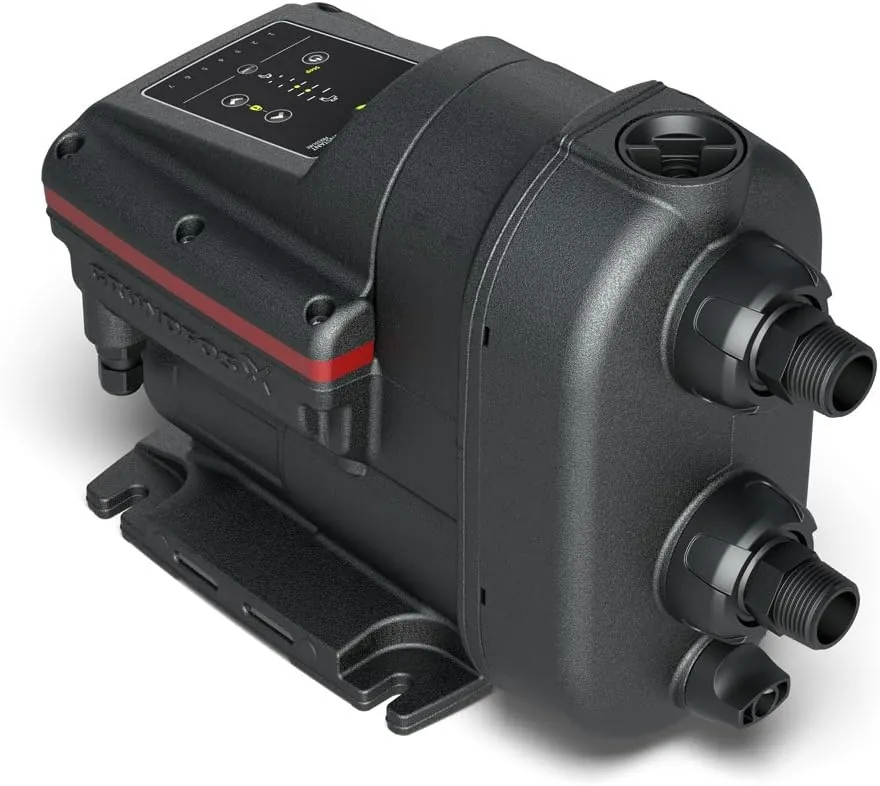
Grundfos SCALA2 3-45 Booster Pump
Constant pressure booster with a built-in tank and adjustable setpoint.
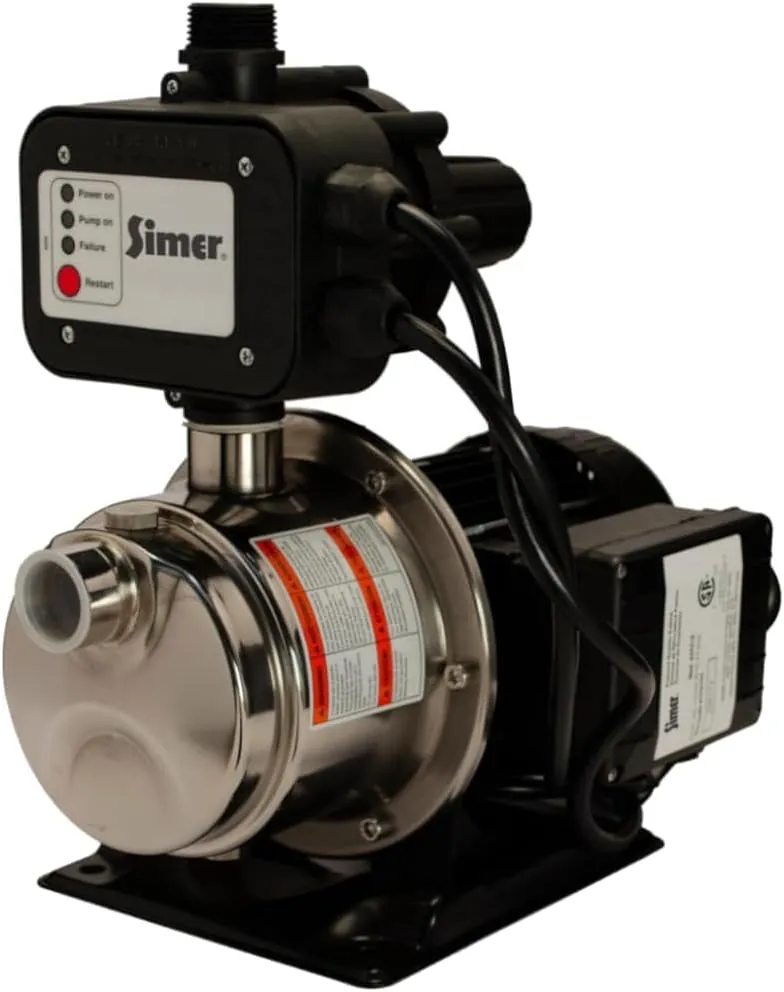
Simer 4075SS Pressure Booster Pump
On-demand 3/4 HP booster that adds pressure while water flows through it.
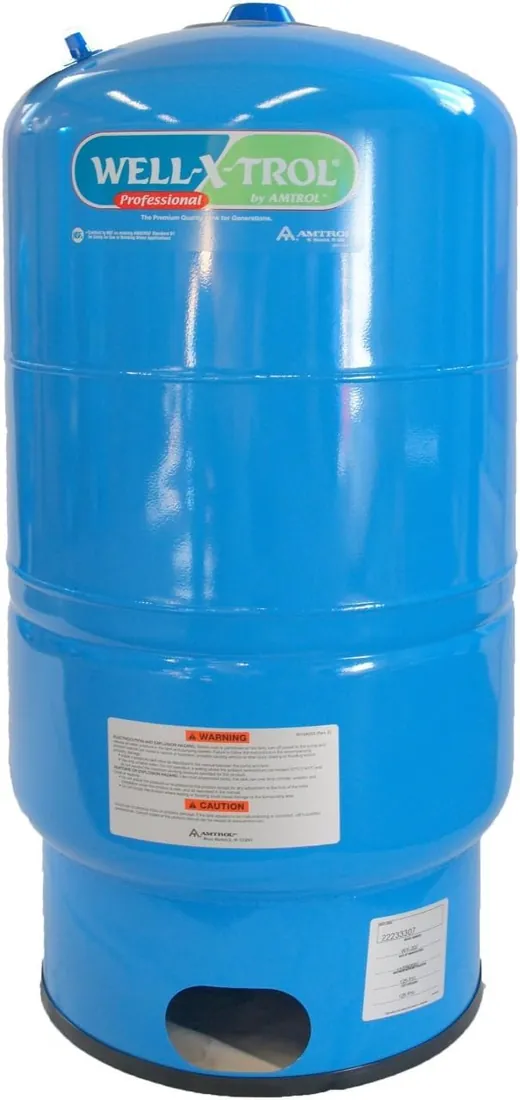
Amtrol WX-202 Well-X-Trol Pressure Tank
Diaphragm well tank for a conventional pressure switch and tank system.
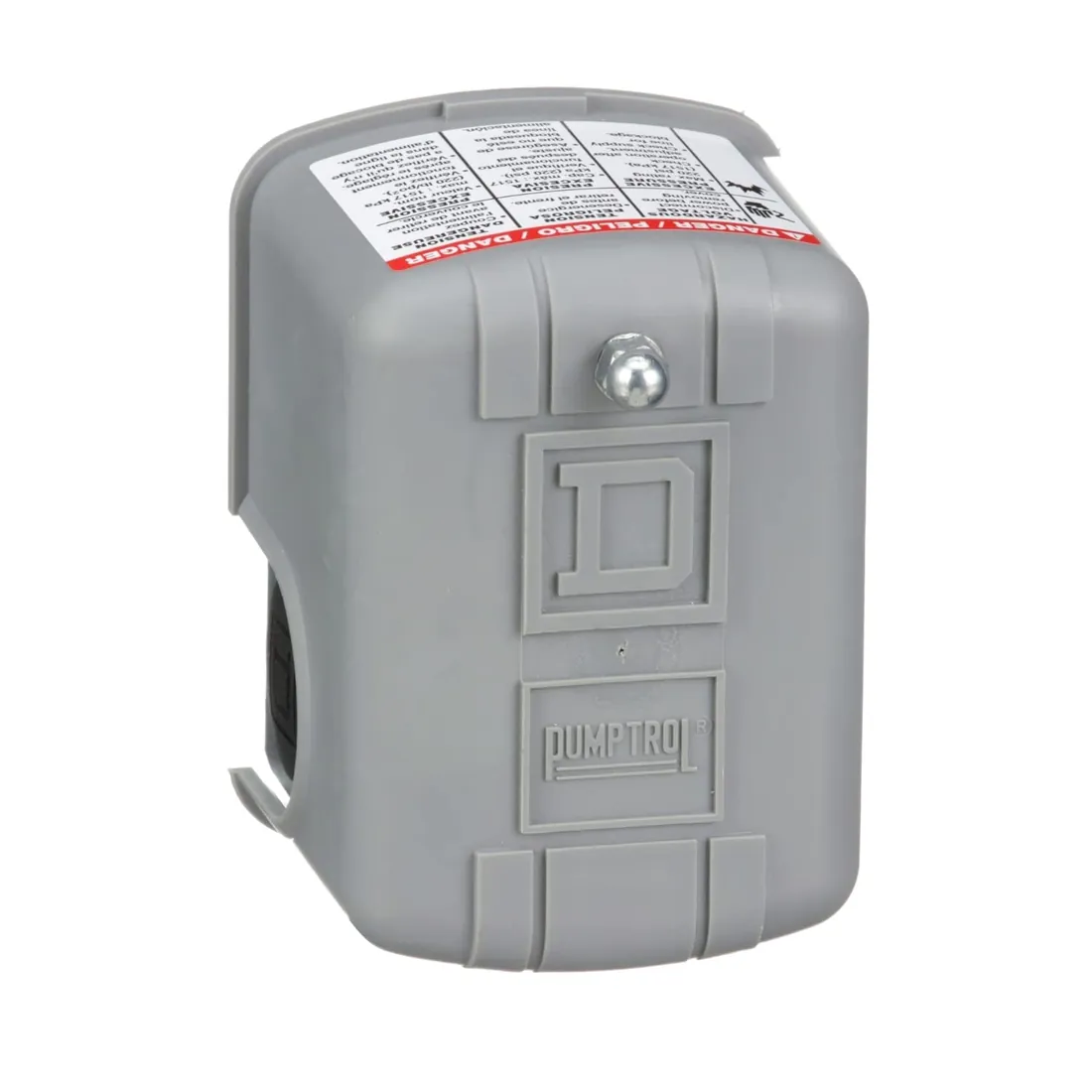
Square D 9013FSG2J24 40/60 PSI Pressure Switch
Standard 40/60 PSI pressure switch for conventional well pump systems.
Questions readers ask
Is a constant pressure well system worth it?
It is worth it if steady pressure matters and you are replacing the pump anyway. For a working system, checking the tank precharge and switch setting is far cheaper and often solves the complaint.
Do constant pressure systems still need a pressure tank?
Yes, a small one. It handles tiny draws so the pump does not start for every drop. Grundfos's SCALA2 has a tank built in and recommends a precharge of about 70% of the setpoint.
Can I add a constant pressure booster to a well?
Yes, within limits. Grundfos caps the SCALA2 setpoint at 44 psi when boosting from a well, and the difference between inlet and outlet must not exceed 51 psi. Higher settings need city water inlet pressure.
What is the difference between a variable speed and standard well pump?
A standard pump runs at full speed between switch settings. A variable speed pump changes speed to match demand and hold a setpoint, giving steadier pressure and softer starts at a higher cost.