Rapid cycling usually means the pressure tank has lost its air charge, so it holds almost no water between starts. If the tank is fine, look for water escaping: a leaking check valve or foot valve, a cracked drop pipe or a dripping fixture. A pressure switch that is worn, misadjusted or mounted far from the tank can also make the pump chatter.
Two patterns, two different causes
Watch the pressure gauge while nothing in the house is running. If the needle holds steady and the pump only cycles quickly when a tap is open, the system has too little stored water between starts, which points to the tank. If the needle drifts down with every fixture closed and the pump restarts on its own, water is leaking out of the system somewhere, either back down the well or out through the plumbing.
That one observation saves hours. Red Lion's and Flotec's troubleshooting charts list both groups of causes under a pump that starts too frequently, and the order below follows them from the easiest check to the hardest.
| Cause | How to check | Fix the makers give |
|---|---|---|
| Waterlogged tank | Drain system; read air valve | Set precharge 2 psi below cut-in or replace |
| Air or water leak | Soap suds on tank fittings; inspect pipes | Make system air and water tight |
| Faulty or misadjusted switch | Inspect contacts and settings | Readjust or replace switch |
| Leaking check valve | Pressure drops with taps closed | Inspect and replace valve |
| Leaking drop pipe | Raise pipe one length at a time | Replace pipe above the leak |
| Switch far from tank | Measure switch to tank | Move switch within one foot |
Figures: Red Lion troubleshooting guide, jet and 4 in submersible well pumps; Flotec owner's manual FP874, 4 in submersible pumps.
Start at the pressure tank
A bladder tank stores water against a cushion of air. When that air is gone, the tank behaves like a length of pipe and the pump switches off and on almost at once. To check it, switch off the pump, open a faucet until the flow stops, and read the air valve on top of the tank with a tire gauge. Red Lion asks for 28 psi on a 30/50 switch and 38 psi on a 40/60 switch.
A reading near zero or water at the valve means the bladder has failed. Amtrol warns against pumping air into a tank that has lost its charge or shows corrosion, so plan a replacement rather than a top-up. Older steel tanks without a bladder rely on an air volume control or bleeder orifices instead, and Flotec and Red Lion list a faulty air volume control as a cause of frequent starts on those systems.
Find where the water is going
With the tank ruled out, close every fixture, note the pressure, and wait. A slow fall means a leak. Walk the visible plumbing first: toilet flappers, outdoor hose bibs, a water softener stuck in regeneration and the relief valve at the tank are common. Flotec suggests soapy water on the tank connections to spot air leaks, since the system must be both air and water tight.
If everything above ground is dry, the water is likely going back down the well. On a submersible, that means the check valve at the pump or in the line is leaking, or the drop pipe has a crack or loose joint. Red Lion and Flotec describe the same test: pull the pipe one length at a time until water stands in it, and the leak is below that point. On a shallow-well jet pump, Red Lion names a foot valve that leaks or is stuck open as the usual reason.
- Close all fixtures and note the gauge pressure.
- Wait fifteen minutes and read the gauge again.
- Check toilets, hose bibs, softener and relief valve for flow.
- Brush soapy water on tank fittings and watch for bubbles.
- If all is dry, suspect a check valve, foot valve or drop pipe.
When the pressure switch is the cause
A switch with burned or pitted contacts, a clogged pressure port or settings that sit too close together will chatter or cycle the pump. Pentair's instructions keep a 20 PSI gap between cut-on and cut-off on standard switches and say the switch should never cut on below 20 PSI or cut off above 60 PSI. If someone has narrowed that range, the pump restarts as soon as a little water is used.
Location matters as much as condition. Red Lion and Flotec both want the switch within one foot of the tank; farther away, flow friction makes the switch see a pressure that does not match the tank and it bounces. A standard replacement such as the Square D FSG2J21CP 30/50 switch is inexpensive, but fix any waterlogged tank first or the new switch will wear out the same way.
Short cycling from a low-yield well
Some cycling starts at the source. If the pump draws the well down faster than it recovers, it can lose water at the intake, lose pressure and restart repeatedly. Red Lion's advice for submersibles is to lower the pump further into the well while keeping it at least five feet off the bottom, and to fit a control valve between pump and tank that limits flow to the well's recovery rate, with a relief valve able to pass full flow at 75 psi. Jet pumps on driven wells can use a low-pressure cut-off switch.
Whatever the cause, short cycling is hard on the motor. If yours ran for months this way, compare a replacement on the deep well submersible list, and pair it with a properly sized tank such as the Amtrol WX-203.
Common mistakes
- Replacing the pump when the tank has simply lost its air.
- Adding air to an old bladder tank that has already failed.
- Narrowing the switch range to stop pressure swings.
- Ignoring a running toilet that bleeds pressure all night.
- Moving the pressure switch away from the tank during a repipe.
Products that fit
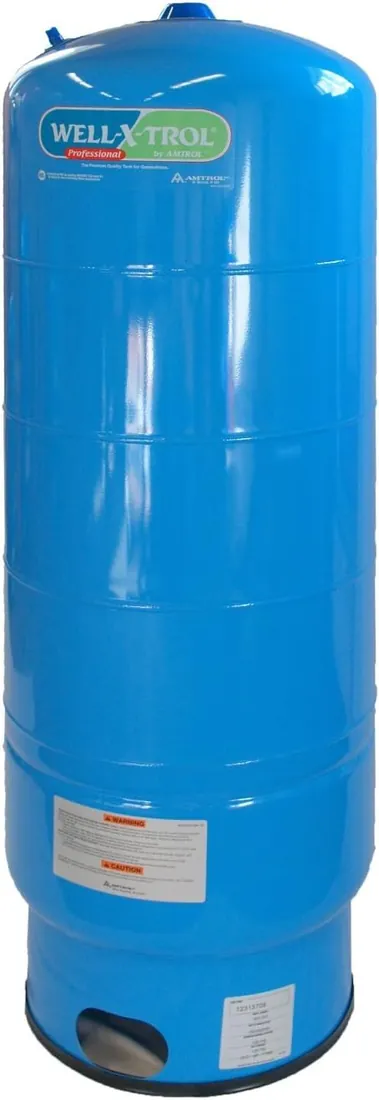
Amtrol WX-203 Well-X-Trol Well Tank
Bladder tank with a large drawdown that lengthens time between pump starts.
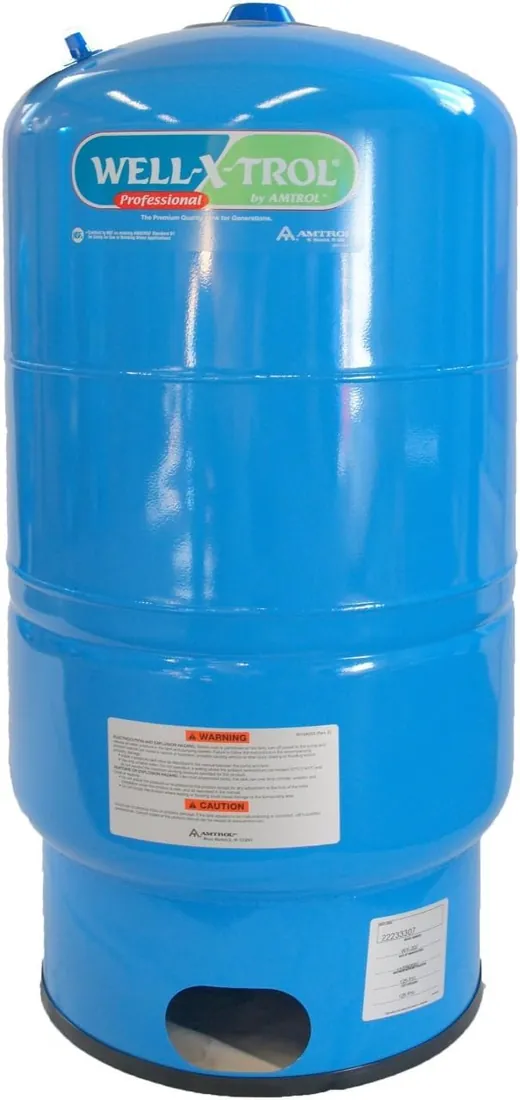
Amtrol WX-202 Well-X-Trol Pressure Tank
Smaller Well-X-Trol replacement tank for households with modest daily water use.
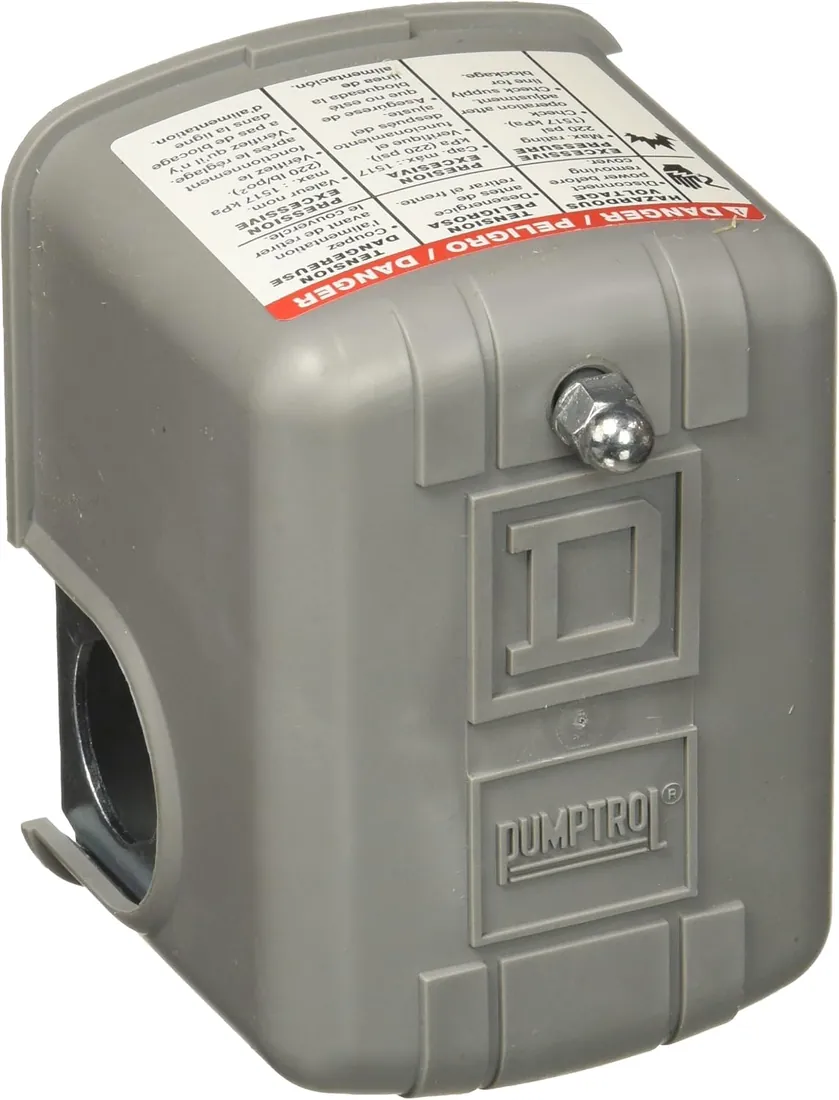
Square D FSG2J21CP 30/50 PSI Pressure Switch
Standard 30/50 pressure switch for replacing a pitted or chattering unit.
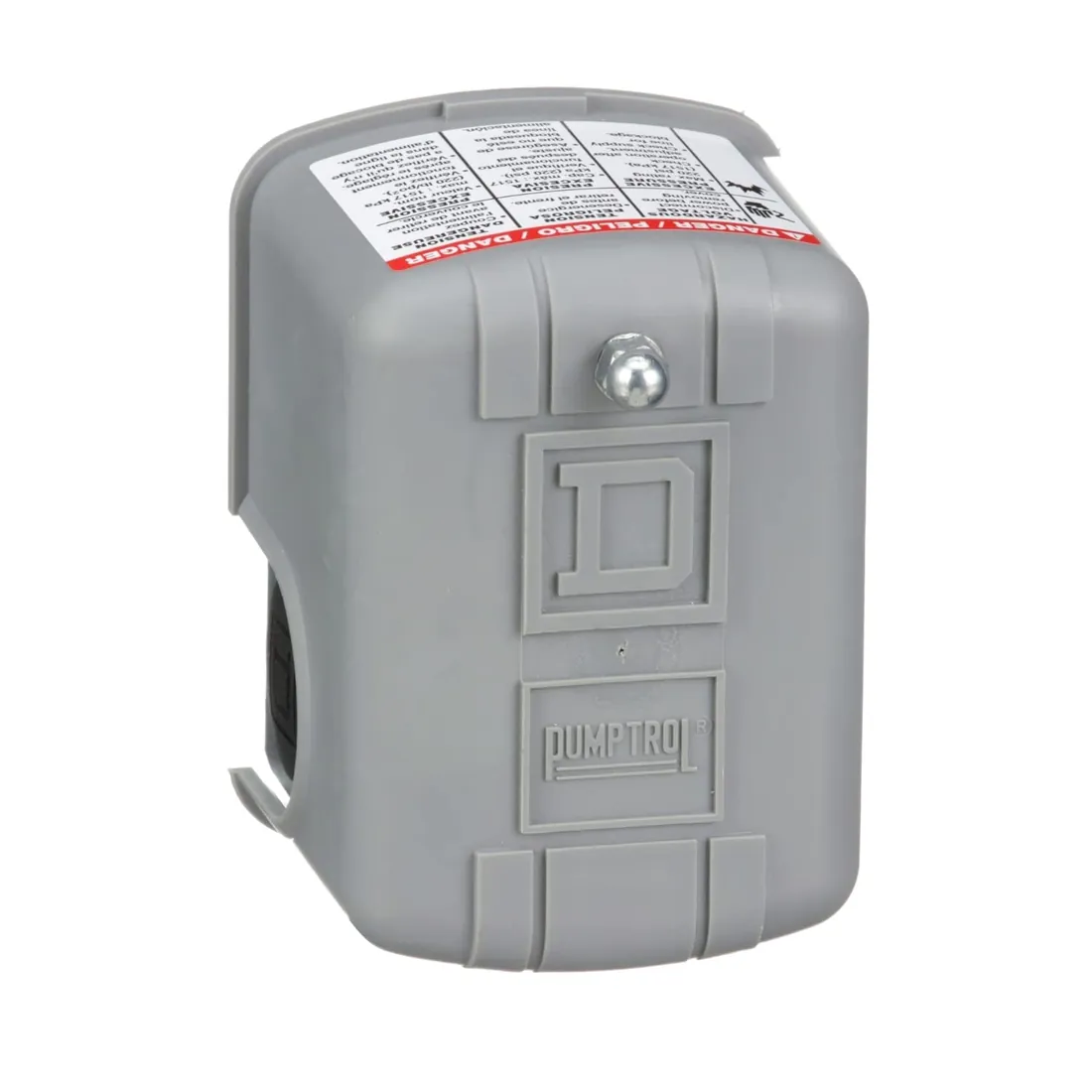
Square D 9013FSG2J24 40/60 PSI Pressure Switch
40/60 switch for systems that need higher pressure at the taps.
Questions readers ask
How do I stop my well pump from short cycling?
Check the tank precharge first and replace a waterlogged tank. Then look for leaks with all fixtures closed, test the check valve and switch, and make sure the switch sits within a foot of the tank. Fixing the cause matters more than adjusting settings.
Can a bad check valve cause a well pump to cycle?
Yes. A leaking check valve lets water drain back down the well, so pressure drops with no tap open and the pump restarts. Red Lion and Flotec both list it among the causes of frequent starts.
How long should a well pump run each cycle?
It depends on the tank drawdown and pump flow, so makers do not give one number. A pump that runs only a few seconds per start is cycling too fast, and a larger tank or a restored air charge will stretch the run time.
Is short cycling bad for a well pump?
Yes. Every start heats the motor and wears the switch contacts and, on three-wire pumps, the starting components in the control box. Running this way for months shortens the life of the whole system.