Start with the symptom. Rapid cycling usually means a waterlogged tank or wrong precharge. Low pressure or weak flow points to a clogged screen, leaks, low voltage or a well drawing down. A pump that never shuts off cannot reach cut-out pressure. Control box faults on three-wire submersibles show as tripping overloads. Work through the table, then the section for your pump type.
Symptoms and likely causes
Red Lion, a Franklin Electric brand, publishes separate troubleshooting lists for shallow well jet pumps, convertible jet pumps and four-inch submersibles. The table combines them by symptom so you can see where the two pump types share causes and where they differ. Electrical checks belong to a qualified electrician in every case. Use the table to decide where to look first, not as a final diagnosis.
| Symptom | Jet pump causes | Submersible causes |
|---|---|---|
| Will not start | No power to switch, switch not closing | No voltage, faulty switch, control box wiring |
| Runs, little or no water | Lost prime, lift too high, foot valve plugged | Well drawn down, plugged screen, stuck check valve |
| Below rated capacity | Leaks, plugged nozzle or venturi, low voltage | Worn pump, low voltage, partly plugged screen |
| Starts too often | Air volume control, tank waterlogged, switch setting | Tank leak or waterlogged, check valve leaking, switch far from tank |
| Will not shut off | No water at source, cannot build pressure | Low voltage, leaking drop pipe, well too low |
| Fuses or overload trip | Wrong voltage or wiring | Voltage off nameplate, small wire, control box mismatch |
Figures: Red Lion troubleshooting guide; Red Lion RL series 4 in submersible pump manual 106720101.
Pressure switch problems and symptoms
How do you know the pressure switch is bad? Watch the gauge through a cycle. If pressure falls below the cut-in setting and the pump does not start, with power confirmed at the switch, the contacts are not closing. If pressure climbs past cut-out and the pump keeps running, they are not opening, or the cut-out is set higher than the pump can reach. Clicking, buzzing and burned or pitted contacts are visible signs once the cover is off with power disconnected.
Many apparent switch faults are really tank faults. Red Lion lists a waterlogged tank, an air leak above the water level and a switch mounted too far from the tank as causes of rapid starts, and its RL manual adds a pressure drop between switch and tank. Check the precharge first: Red Lion pairs 28 psi with a 30/50 switch and 38 psi with 40/60. The Square D switch guide covers adjustment.
Jet pump problems: prime, pressure and noise
Jet pumps live and die by prime. Red Lion's list for a jet pump that loses prime is short: air leaks in the suction line, a well drawn down too far, and a faulty foot valve. A pump that delivers water but will not build pressure often has a partly plugged foot valve, nozzle or venturi, or a suction lift beyond its rating. On convertible deep well units, Red Lion adds an incorrectly set control valve.
For convertible jet pumps it also describes two problems that look like failures but are supply issues. A noisy pump whose output exceeds what the well can give needs a valve on the discharge to cut output. A pump that runs hot and will not shut off because the source runs dry should get a low-pressure cut-off switch to stop it before damage. Shallow well pumps such as the Red Lion RJS-50-PREM are covered in the shallow well jet pump list.
Submersible pump problems and the control box
A submersible's faults are mostly electrical or about the well. Red Lion wants voltage within 5% of the nameplate while the motor runs, and blames slow running, low pressure and high current on low voltage. On three-wire pumps, the control box must match the motor's horsepower and voltage, should sit out of direct sunlight, and holds start and run capacitors that can fail. The RL-series manual shows a Franklin control box in its typical installation.
Low-yield wells cause a set of symptoms of their own: sputtering, air, and a pump that runs without building pressure. Red Lion's RL manual suggests a smaller pump, setting the pump lower, an electronic run-dry sensor such as Franklin's Pumptec, or a flow restrictor upstream of the pressure switch. Its general guide adds a relief valve between the pump and any restricting valve, able to pass full flow at 75 psi.
- Note whether the problem is no water, low pressure or constant cycling.
- Read the pressure gauge through one full pump cycle.
- Check the tank precharge with the tank drained.
- Have an electrician measure running voltage at the control box or disconnect.
- Call a well professional if the pump must be pulled.
Air in the water, noise and backspin
Milky water or spitting faucets can come from a gaseous well rather than the pump. Red Lion's guide says naturally gaseous wells on standard tanks may need their bleeder orifices removed and plugged, and serious cases need a well professional. Air can also mean the pump is drawing the well down to the intake.
A clunk or a pump that spins backward after stopping points to the check valve. Red Lion's RL manual lists backspin from a failed or missing check valve and recommends non-swing check valves. It also warns that a pump that restarts while water drains back through it can be damaged.
Repair or replace?
Switches, tanks, capacitors and check valves are repairable parts. A worn pump is not: Red Lion's RL troubleshooting table lists a worn pump with a single remedy, replacement. If capacity has dropped steadily over years, voltage is right and the screen is clean, the pump end is likely worn. Compare replacements on the deep well submersible pump list, and size the new pump to the well rather than simply copying the old model.
Common mistakes
- Replacing the pressure switch when the tank precharge was the real fault.
- Running a jet pump with a leaking suction line until it overheats.
- Ignoring low voltage, which slows a submersible and overheats it.
- Pairing a three-wire motor with a control box of the wrong rating.
- Letting a low-yield well run dry without a cut-off or run-dry sensor.
Products that fit
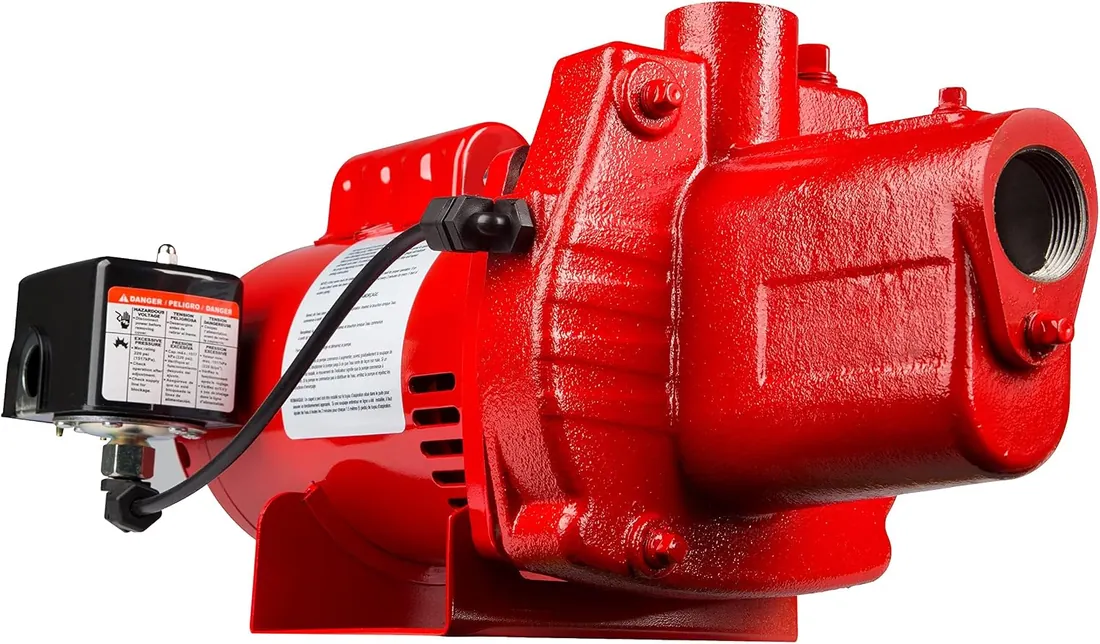
Red Lion RJS-50-PREM Shallow Well Jet Pump
Cast iron shallow well jet pump covered by Red Lion's jet troubleshooting list.
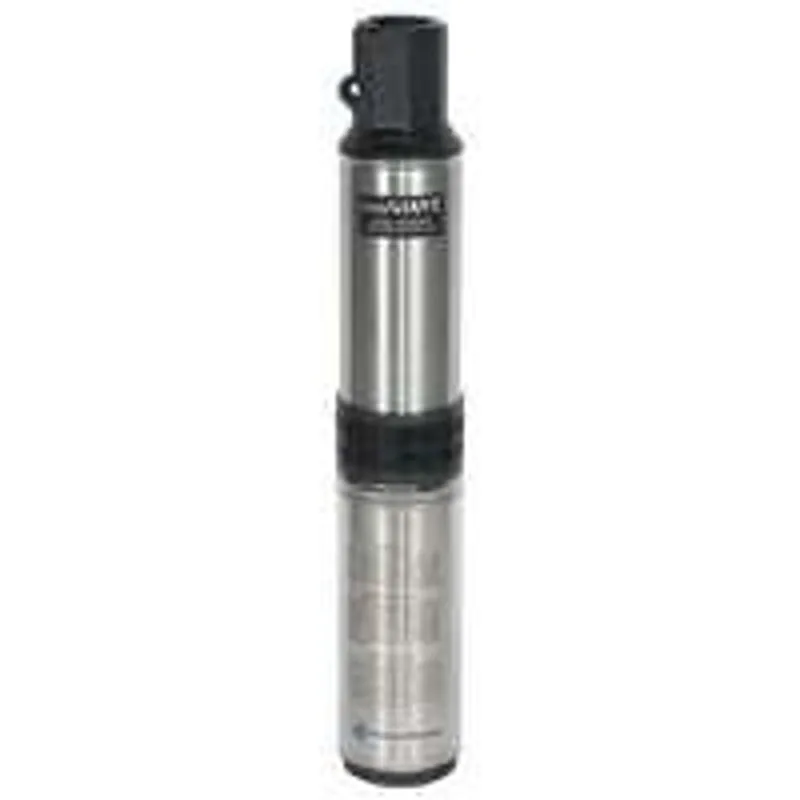
Red Lion RL12G07-2W2V 2-Wire Submersible Well Pump
Two-wire RL-series submersible pump that needs no separate control box above ground.
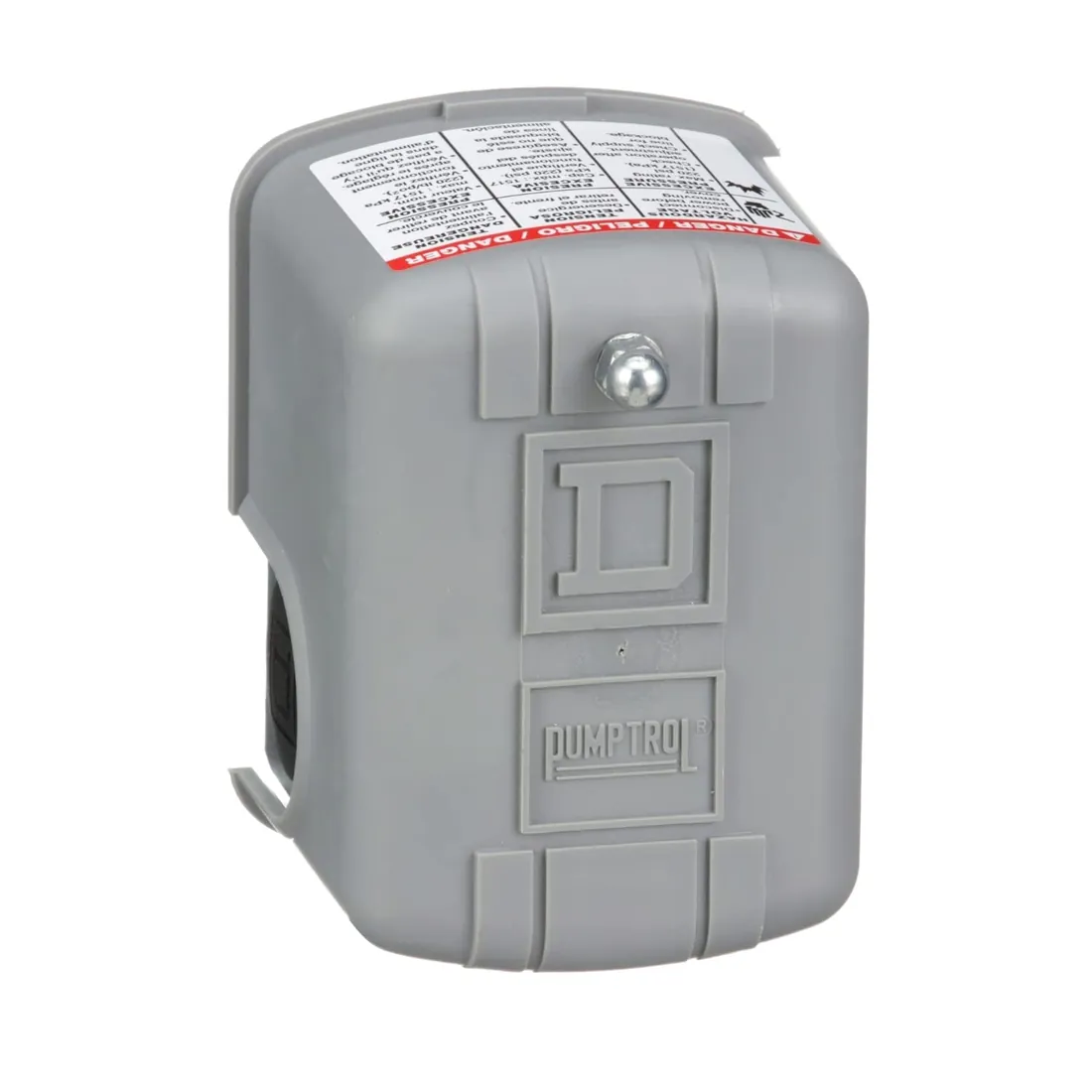
Square D 9013FSG2J24 40/60 PSI Pressure Switch
40 to 60 psi switch; pair it with a 38 psi tank precharge.
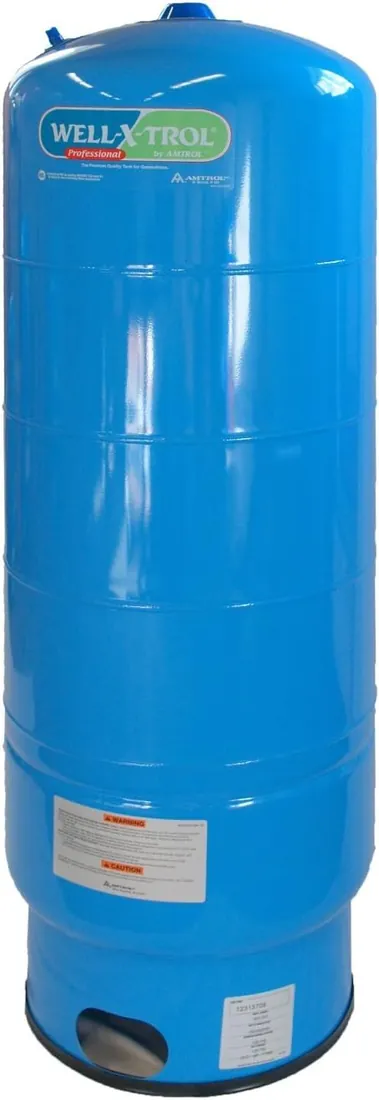
Amtrol WX-203 Well-X-Trol Well Tank
Larger diaphragm tank that lengthens run time and cuts cycling.
Questions readers ask
How do I know if my well pump pressure switch is bad?
With power confirmed at the switch, watch the gauge. If pressure drops below cut-in and the pump does not start, or rises past cut-out and it keeps running, the switch is suspect. Check the tank precharge first, since tank faults mimic switch faults.
Why won't my jet pump build pressure?
Red Lion lists leaks in the suction or discharge line, a partly plugged foot valve, nozzle or venturi, too much suction lift, low voltage and, on deep well units, a misset control valve. A pump that keeps losing prime has an air leak or a failing foot valve.
Does a Franklin Electric well pump have a reset button?
The motor itself usually does not. Three-wire systems use a control box, and Red Lion notes reset buttons on larger control centers. Some pressure switches have a low-pressure cut-off lever that must be reset.